Showing posts with label Big Oil. Show all posts

Thursday, June 24, 2010

Never Let a Serious Crisis Go to Waste

It's time to name this disaster for what it is. Calling it the BP Oil Spill is not entirely accurate. From now on I am calling it the BP-Obama Oil Spill; BP because that's whose rig it was, and Obama because that's who has assumed responsibility for control of the aftermath and is profiting most from this crisis. Wait, profiting? How dare I make such a claim! Oh, but it's not just me; listen to the man who is the brains behind the Obama Regime in his own words (the relevant quote is in the first twelve seconds of video, but the whole clip is interesting):


"You never want a serious crisis to go to waste. And what I mean by that, it's an opportunity to do things that you think you could not do before." - Rahm Emanuel

These words were spoken long before the current situation in the Gulf of Mexico, but they are revealing of the mindset of not just the Obama regime, but of liberals in general. Crisis = Opportunity. To Barack Hussein Obama, the Deepwater Horizon oil spill is not a crisis, but an opportunity to do something he was not able to do before, which is to cut "Big Oil" down to size, and grab power far ahead of schedule. This follows a pattern with this regime: Housing Crisis = opportunity to seize and control banks and loan agencies; GM Bankruptcy = opportunity to gain control over a major car company; Health Care Crisis = opportunity to seize massive, near complete control over private sector insurance, hospitals, and many aspects of the way we live our personal lives right down to what we eat and whether our children are breast-fed, as well as an opportunity for massive tax increases.

The pattern boils down to this: Any crisis is an opportunity to increase the dependence of the people on the government. It is a self-sustaining pattern, as well. The more people depend on their government for help, the more often they will look to their government to bail them out. This is what I meant a year and a half ago when I wrote, as it was announced that Barack Hussein Obama had won the election, that we had officially voted ourselves a totalitarian socialist government. What frightens me is how quickly Obama is dismantling our economy and subverting the rule of law. In fact, it is amazing that I am frightened at all! I have never before had to say that I am afraid of my government, but now I am.

Back to the BP-Obama Oil Spill. How do I justify my statement that Obama is profiting from this? Just look at his (in)action. It was more than a month before he actually began to do anything. Meanwhile, though the CEO of BP gets raked over the coals for daring to participate in a yacht race during this crisis, Obama gets a pass for spending so much of his time golfing or bowling. He was already working on pushing through cap and trade legislation aimed at seizing control of the energy sector when this oil spill gave him the golden opportunity to paint Big Oil as a very visible villain and put this power grab on the fast track. Ever tar ball, every picture of an oil-soaked pelican, every minute of live coverage of oil gushing from the sea floor is another victory for Obama at the expense of the American people.

But it hasn't been complete inaction. To his credit, Obama has acted on this spill. What has he done? First off, he refused aid from other countries, offered as pure good will, to clean up the spill. It is estimated that cleanup using US ships alone will take nine months, as opposed to four months if aid from thirteen countries that offered it had been accepted. Why did he do this? Because the paperwork from the countries offering aid wasn't in compliance with the Jones Act, which was passed in 1920 to protect union jobs from being outsourced to other countries. If Obama cared about the solution, rather than the bad PR for Big Oil the longer this thing lasts, the Jones Act would never have come up.

The rest of Obama's time has been largely spent propping up BP as a villain. Yes, rather than solve the problem, the Obama regime prefers to point fingers. It's bad enough when the president of our country can fire a CEO of an American company, but now Obama has brought his Chicago mobster political tactics against a foreign company. Joe Barton was absolutely right to call Obama's treatment of BP as a "shakedown". Let's hear more of Rahm Emanuel's words:

"BP originally was going to do one relief well. We forced them to do a second relief well. They weren't going to do that. BP originally had a plan on -- on capturing, uh, a certain amount of oil. We forced that, as you know, today's reports they're up to 25,000. They originally weren't thinking about $20 billion and they originally weren't thinking about an escrow account and forcing them to do that. There are certain things that they had to be pushed -- not certain things, a lot of things that they had to be pushed -- to do."

That's right, our government "forced" BP to do what they have done. BP is an oil company. They know about oil. Rahm Emanuel and Barack Hussein Obama are politicians. They know nothing about oil. It's hard to understand, but some people actually believe that Big Oil is evil, that they care for nothing but profits. Even if that were true, it is in the best interest of BP's financial bottom line to have this crisis over and done with as soon as possible. They were already above the obligatory amount paid to victims of the disaster, with more money to come, and were already working to drill the single necessary relief well. No one knows exactly what words were said in their meeting with Mobster Obama, but it was enough to extort an unprecedented $20 billion. Make no mistake, this money was not needed for any relief effort; this money was needed to punish BP. This was not due process of law, this was extortion. Meanwhile, I don't see any fuel tax money going to pay for this, and I don't see Obama offering the one million in campaign donations from BP to clean this up. Thank goodness for "obscene" oil profits, or there would be no money to clean up the spill!

More recently Obama's regime has taken action to stop Louisiana from building berms to protect their coasts from oil, because of a dispute over where they were dredging for sand! So, you can't clean up the environment, because that's... bad for the environment.

Obama's Interior Secretary, Ken Salazar, has pulled a page from the Intergovernmental Panel on Climate Change's playbook, by requesting a comprehensive report from scientists, and adding at the last minute a recommendation that drilling be halted for six months in the Gulf. This is after the scientists had signed the report! Naturally, these scientists are quite upset, and have spoken out against the moratorium on drilling as short-sighted, and a bad idea.

But if drilling caused this disaster in the first place, how can a moratorium be bad? First, it will completely destroy the Gulf Coast economy, which is dependent on petroleum. Hundreds of thousands of jobs will be lost. Second, the equipment will go somewhere else to drill. It won't just sit there or in a dock, wasted! These rigs will go to South America or elsewhere, and drill wells for Hugo Chavez. Meanwhile, Americans will still need oil, so we'll have to import it! Remember Exxon-Valdez? Tankers are a spill threat, too, and we'll see more of them if we don't drill our own oil. In six months, the moratorium would be lifted, but the equipment would already be engaged elsewhere. Fortunately, we have a hero, U.S. District Judge Martin Feldman, who is willing to declare the moratorium beyond the scope of the executive branch, and a bad idea. Thank you, Judge Feldman! Don't back down!

There is so much more to say, but this post is already running long, so one more thing to close. We need to put this spill in perspective. Yes, it is bad. It is a disaster. There is nothing good about millions of gallons of crude oil spewing into the gulf, and causing damage to the environment, not to mention the economic loss even before Obama capitalizes on this crisis. But we need the proper perspective so we don't panic and handle this poorly. As bad as this spill is, it isn't that bad. It's easy to show pictures of oil-soaked birds and real-time feed of the spill at its source, but it isn't that bad. Here's what I mean:

The Ixtoc I oil spill, about the same size as the BP-Obama spill and also in the Gulf of Mexico, occurred in 1979, and almost no-one remembers it today. This spill is bad, but it will be little more than a sentence or two in our children's history books. Even with the higher estimates of about 130 million gallons of leaked oil, the Mississippi River pours that much new water into the Gulf every 38 seconds. The Gulf is huge. Even without drilling, millions of gallons of oil naturally seep into the ocean daily, and the seawater destroys it. This is far more concentrated, but even with no action whatsoever on our part, in a couple decades it would be cleaned up naturally. The surface of the Gulf is 615,000 square miles, and the volume is 660,000,000,000,000,000 gallons. That's 660 quadrillion gallons, more than any mind can conceive. This spill is tiny, and the Earth isn't even noticing it.

Bottom line, this is nothing to panic over. It is bad, but it's not that bad. Not worth hasty actions that will have a lasting impact on the U.S. economy without any measurable environmental benefit. Many people are calling Obama incompetent. I wish that were the case. Obama is successfully carrying out his real agenda, the strategic dismantling of the United States so it can be rebuilt in His Image. Obama's actions (and inactions) are purely evil. BP is not the villain. Our own government is.

Meanwhile, this man's idea to stop the leak by meditating the well closed is a far more realistic and effective idea than any action taken by our government.

Remember the Obama Regime's philosophy: "You never want a serious crisis to go to waste."

Friday, January 30, 2009

My Oklahoma Experience So Far

I'm back in the Bible Belt, and the land of humidity and country music. This past week the temperature stayed in the low 30s for the first time in the almost month I've been here. 50-60°F is too warm for January!

What am I doing in Oklahoma? This semester I am working as an intern with Geosearch Logging, headquartered in Edmond, OK, just north of Oklahoma City. So far I've just been attending classes on well logging and training with experienced loggers, but soon I'll be logging a well on my own. What do I mean by logging? Basically I spend a long day in a trailer at a drilling rig, and as they drill an oil well I sit at a computer watching as equipment monitors the gas coming up from underground, and every once in awhile one of the rig hands brings me a bag full of crushed rock and I file it and tell them what it is. In between, there's not much to do, so I get to read books and watch movies... and get paid for it. Paid quite a bit, actually.

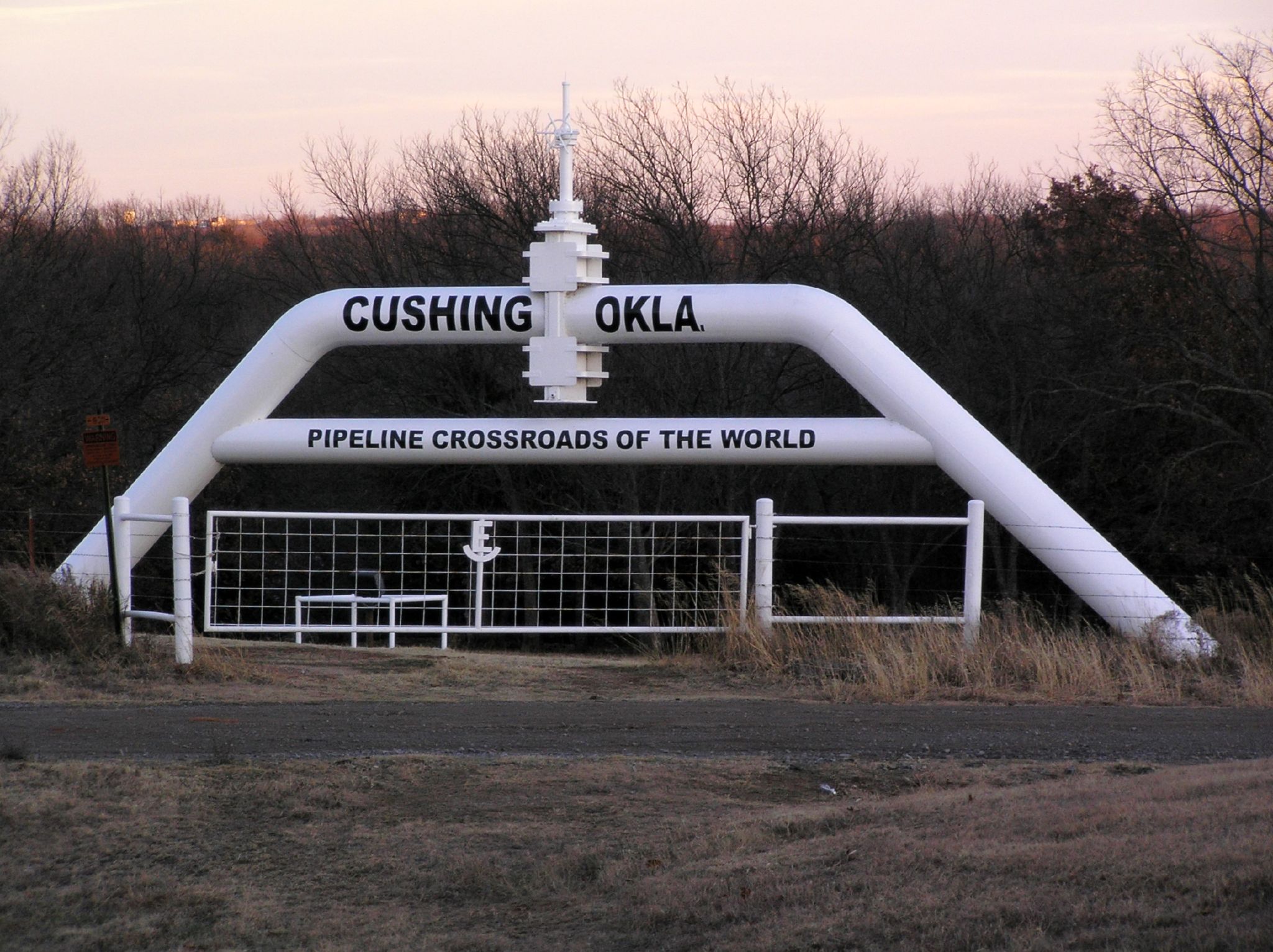
I feel like I've already been all over Oklahoma, and at some point I might be transferred to New York/Pennsylvania area. So far the towns I've done more than just drive through in Oklahoma are Oklahoma City, Edmond, Cushing, Yale, Woweka, Seminole and McAlester, all in just one month. Cushing, OK is known as the pipeline crossroads of the world, because practically all the oil pipelines from the Gulf of Mexico area pass through Cushing. I never got around to taking picture of the sign for Cushing, but I found a good one online:

When I left Idaho, it was anywhere from -10 to 10°F the whole drive until I got south of Colorado. I took a route through Wyoming through some familiar territory from a previous field trip, including Pinedale (and I saw the Camp Davis Formation outcrop all covered in snow). I took a few pictures as I travelled:

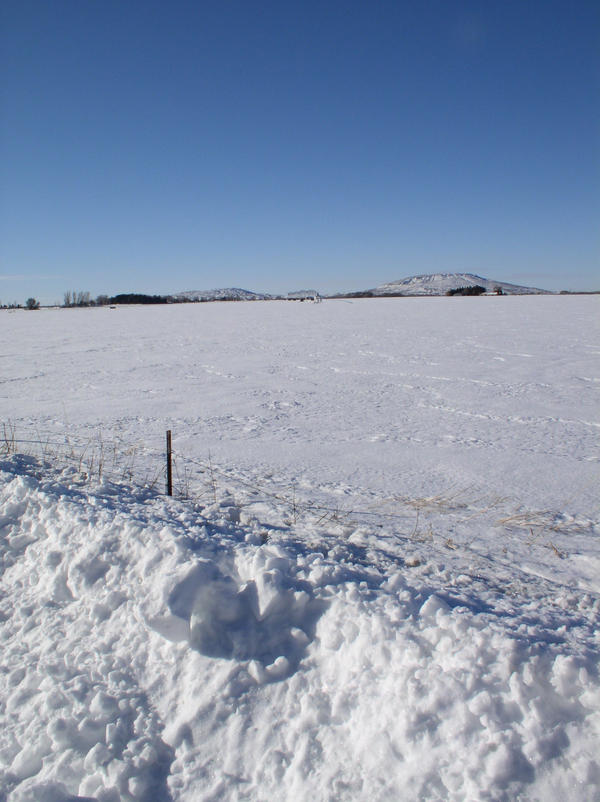
One last shot of the Menan Buttes covered in snow before leaving Rexburg.

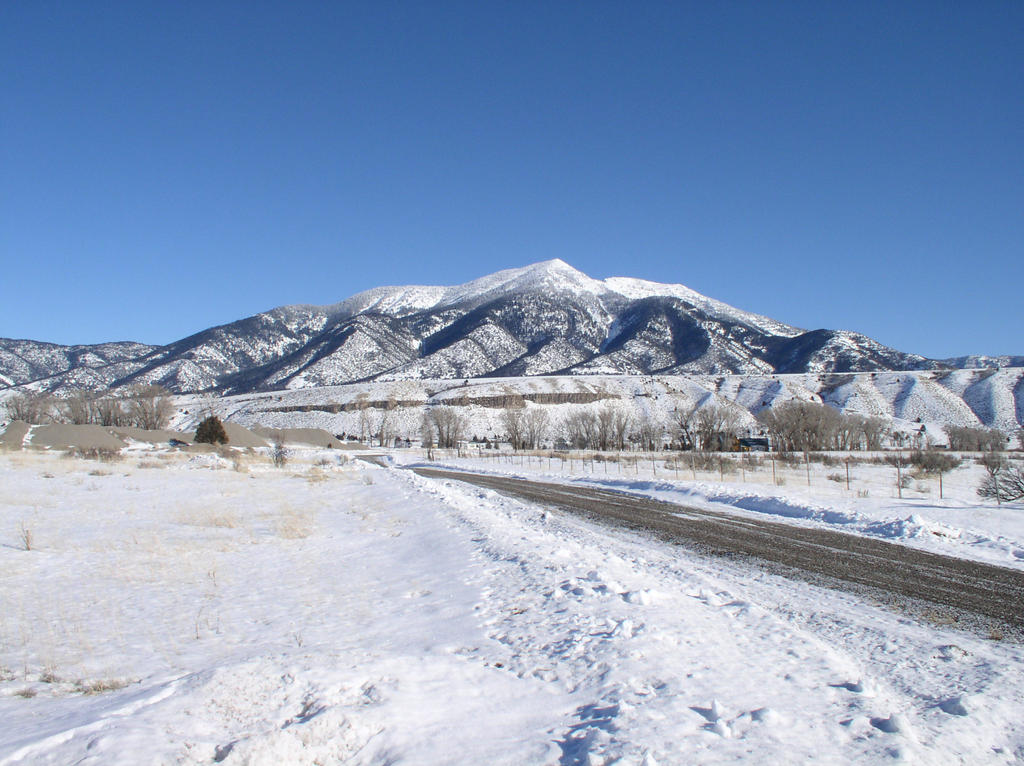
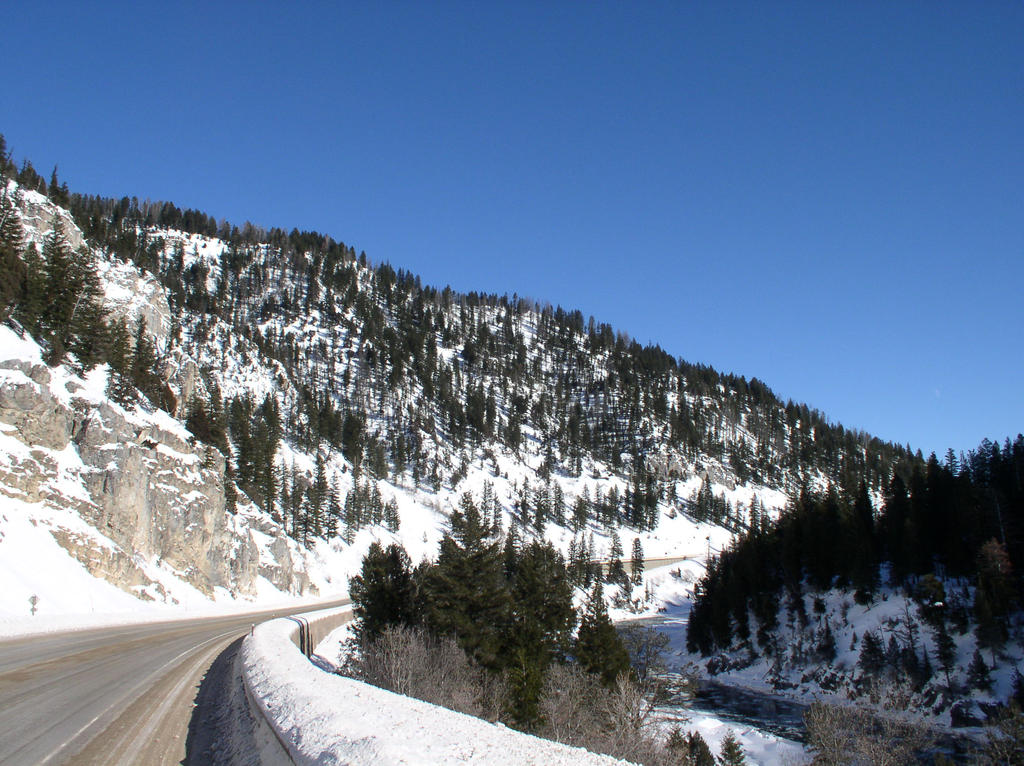
Snow-covered mountains near the Palisades Reservoir in Idaho.

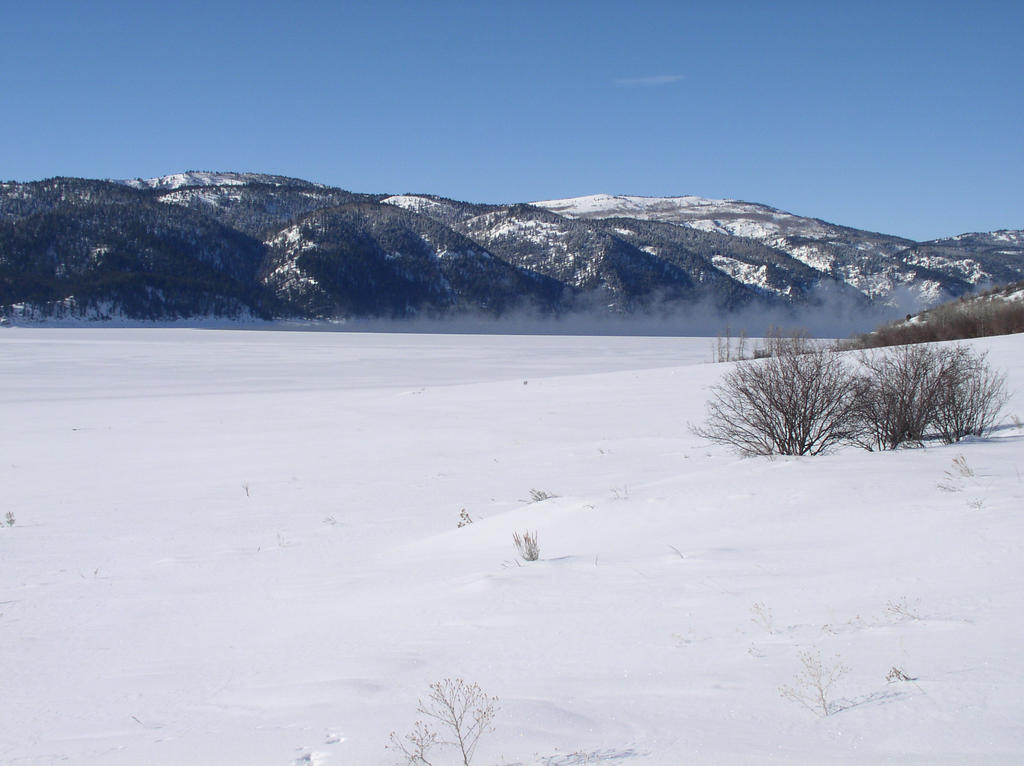
The Palisades Reservoir covered in ice. Where there wasn't ice, there was steam.

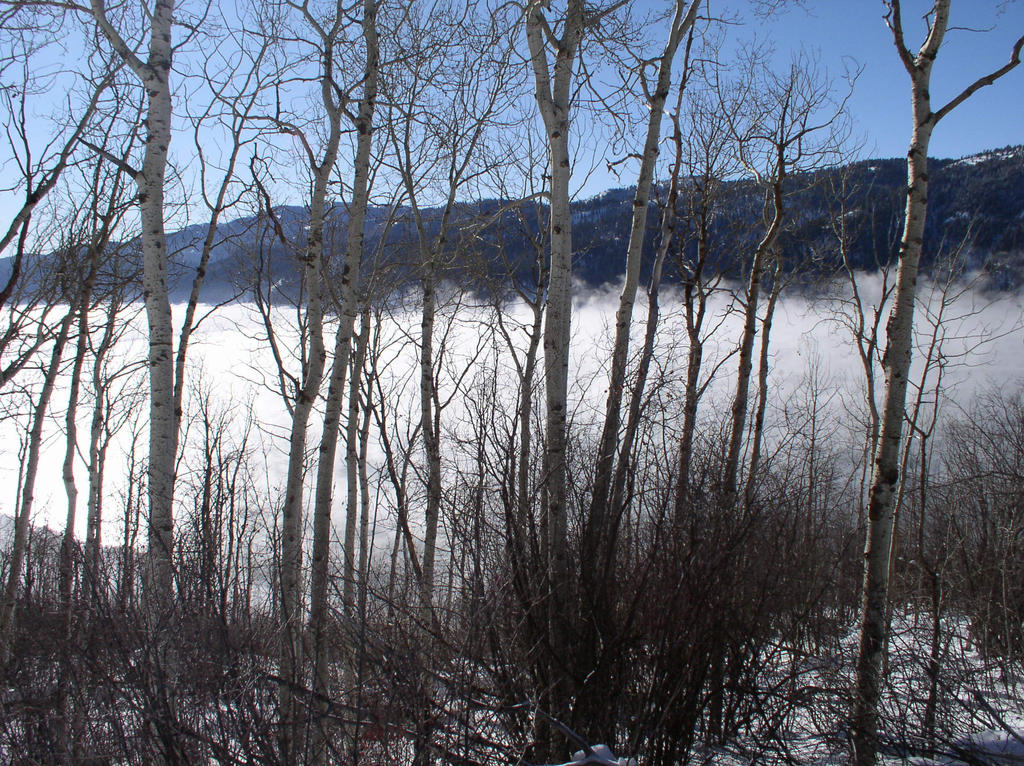
Aspen trees at the Palisades Reservoir.

The icy highway near Pinedale, Wyoming. There was so much ice I had to slow down to 35mph and put my Jeep into four-wheel-drive just to stay on the road.

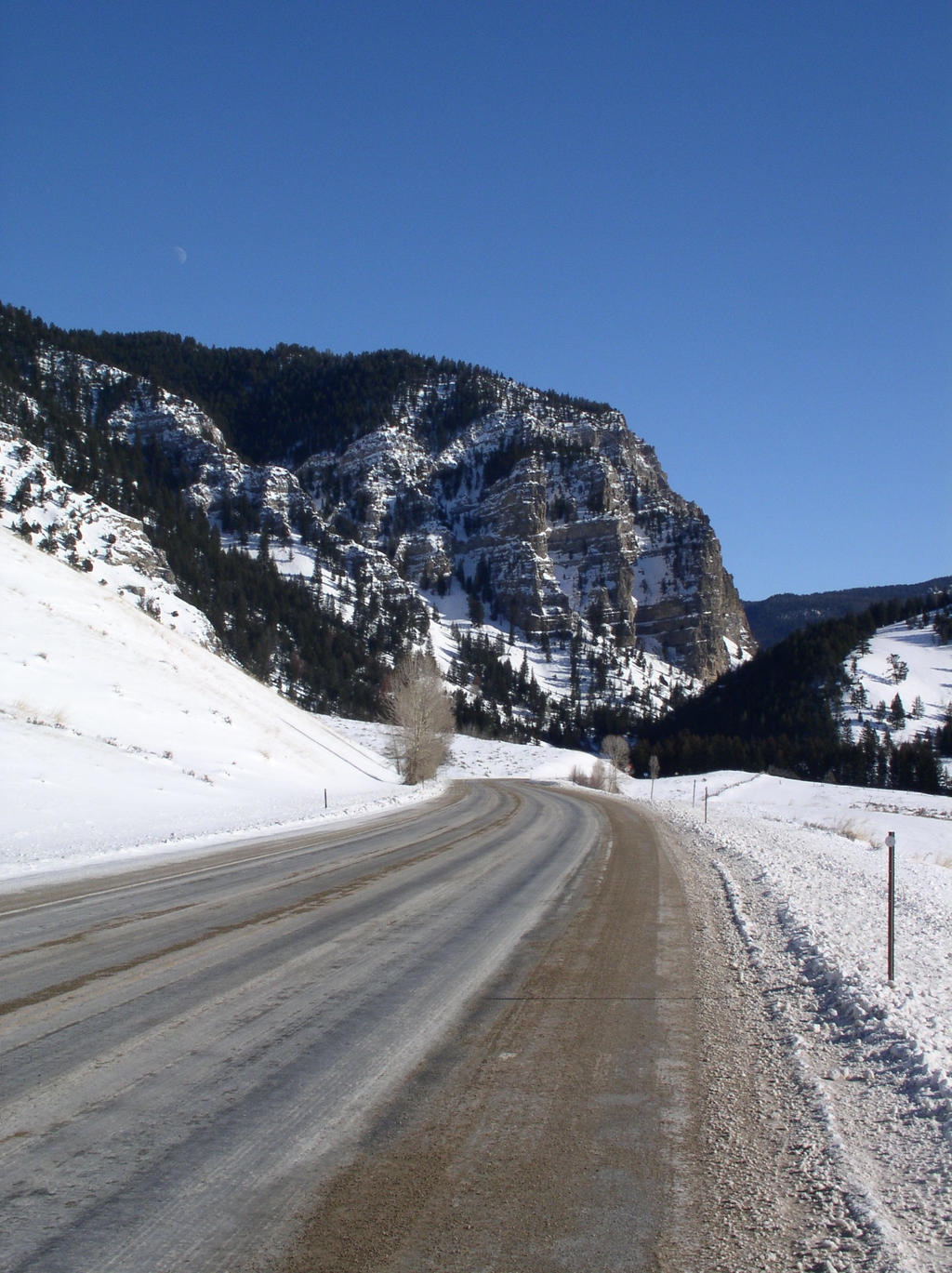
Snow-covered rocks in Wyoming. This is just east of the Camp Davis Formation outcrop my geology friends will know very well. I saw that outcrop as I was driving, but didn't feel like turning around and stopping to take a photo. This was a better photo, anyway. I didn't notice the Moon was in the photo until I looked at it on my MacBook.

Once in Edmond, I spent some time in the Geosearch office being trained by the office geologist, Bill Graham. The company owner, Joe Struckel, is a major technophobe, and was having trouble using PowerPoint, and since I'd met him before he asked me to help him out, so I earned major bonus points by helping him put together a presentation he was going to give later that day. I also helped Bill Graham do some copy-editing on some of his training materials, and he insisted I put my name on the cover of the sample description manual so there would be more geologist names on it. So if anyone in the future goes to work for Geosearch as a mud logger, one of your training manuals will have my name on it.

After that I got some in-the-field training from a cool guy named Marshal Etter, and between working on rock samples we discussed Jimi Hendrix and Pink Floyd. He was sure to point out that Jimi Hendrix's middle name was Marshal. I got a bit of training from another guy named David Mardis, and then spent one morning on a well with a guy named Dave Schmidt. Dave Schmidt and I talked a lot of politics, and he kept making jokes about having tickets to Obama's "coronation" (sarcastically, of course, we agreed on pretty much everything). It was a fun morning even though I got so much second-hand smoke in four hours that it probably would have been healthier if I had simply smoked a pack (seriously).

At the moment I'm working along side two guys on a well in McAlester, OK, as a last bit of training. One of the guys, Steve, despite being just a few years younger than my parents, is into a lot of the same music as me, and has even heard of Apocalyptica, EmilĆ­ana Torrini and Sneaker Pimps, which really surprised me and gives me hope that when I get older I won't be a crusty old man who only likes the music I grew up with. He has a lot of LDS family, which made for some pretty interesting discussion. The other guy I'm logging with goes by Hoover, and he's cool, too. He gave me the coolest keychain ever, a miniature drill bit like the ones used on the drilling rig:


I've taken a few pictures down here in Oklahoma, too:

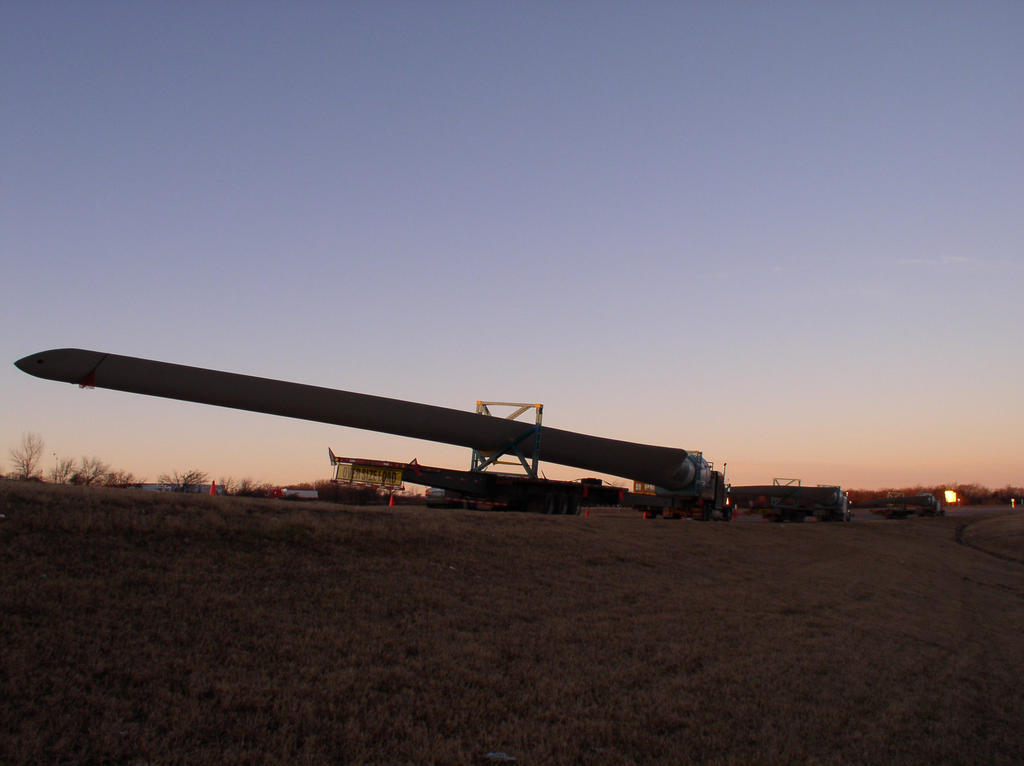
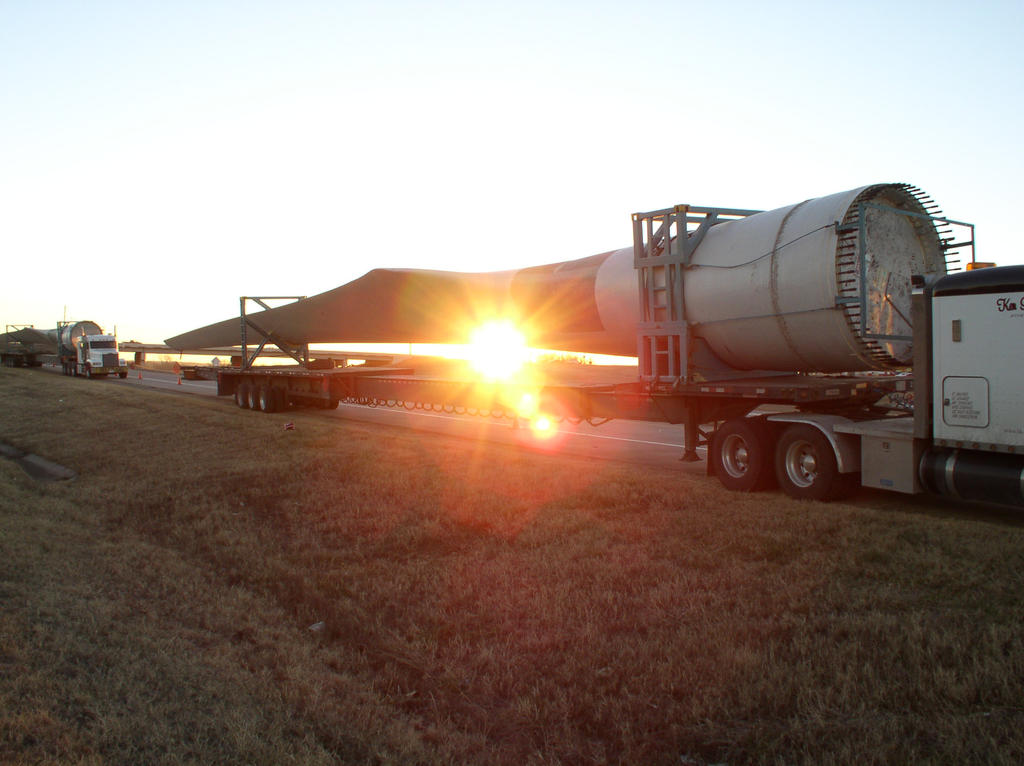
On I-40 between Edmond and McAlester I saw three trucks parked on an offramp carrying blades for windmills. You can't appreciate the scale of the windmills until you've stood next to one of these.

It was early morning, and the Sun made for cool effects.

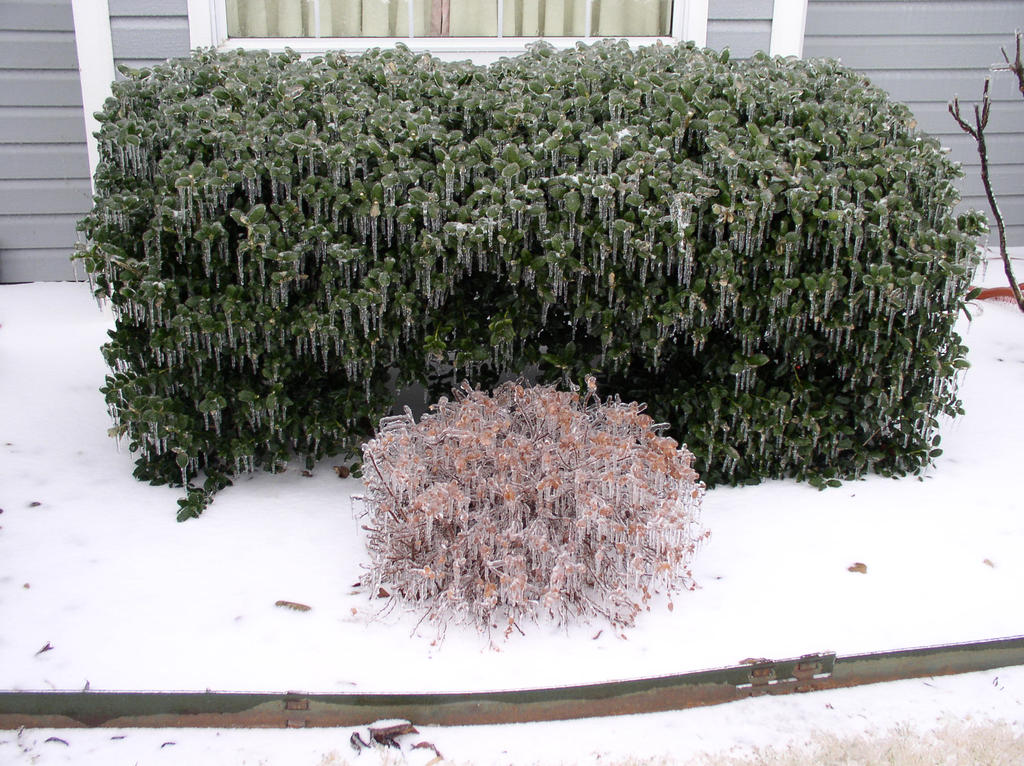
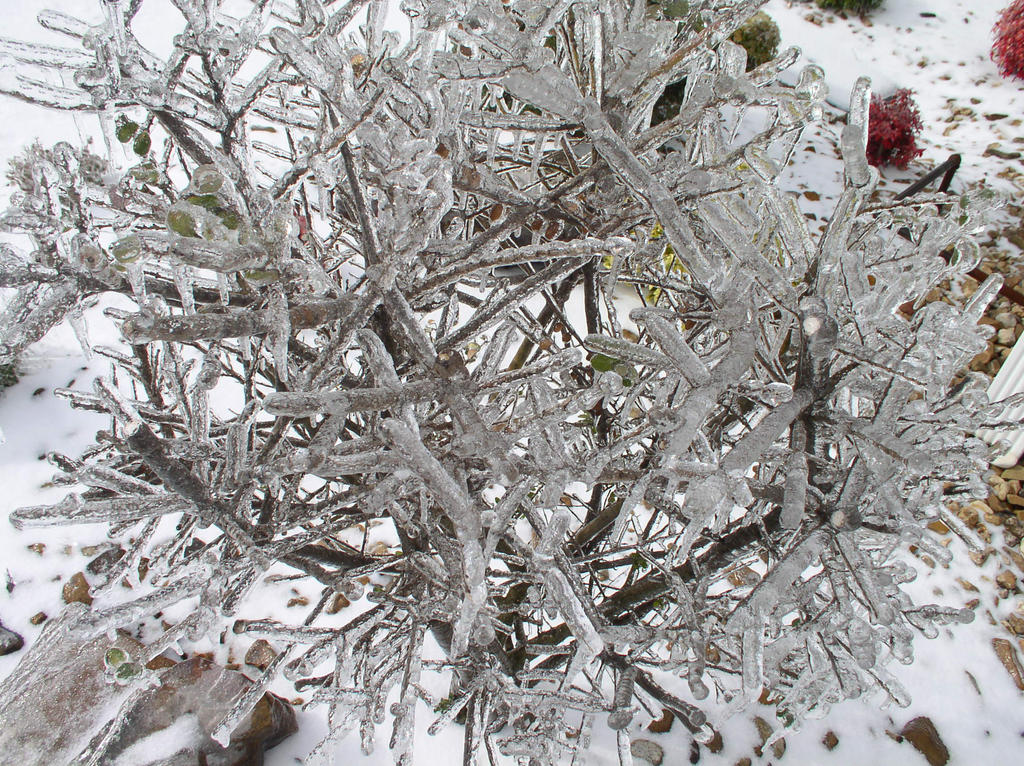
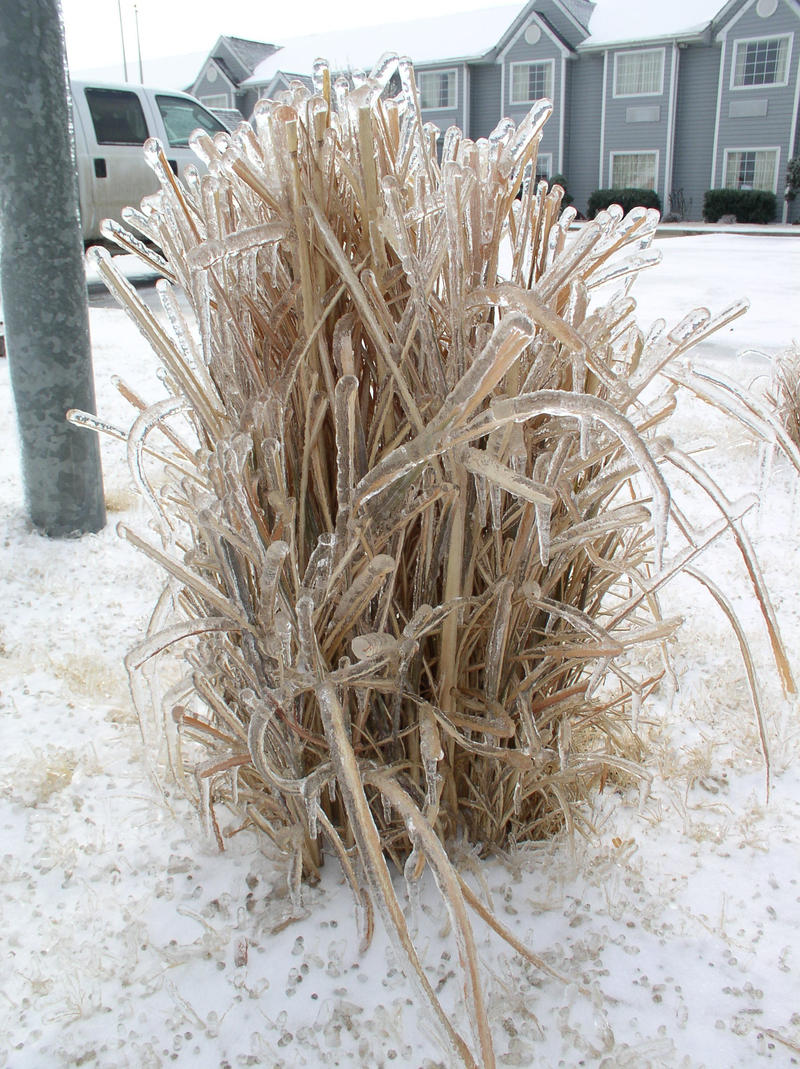
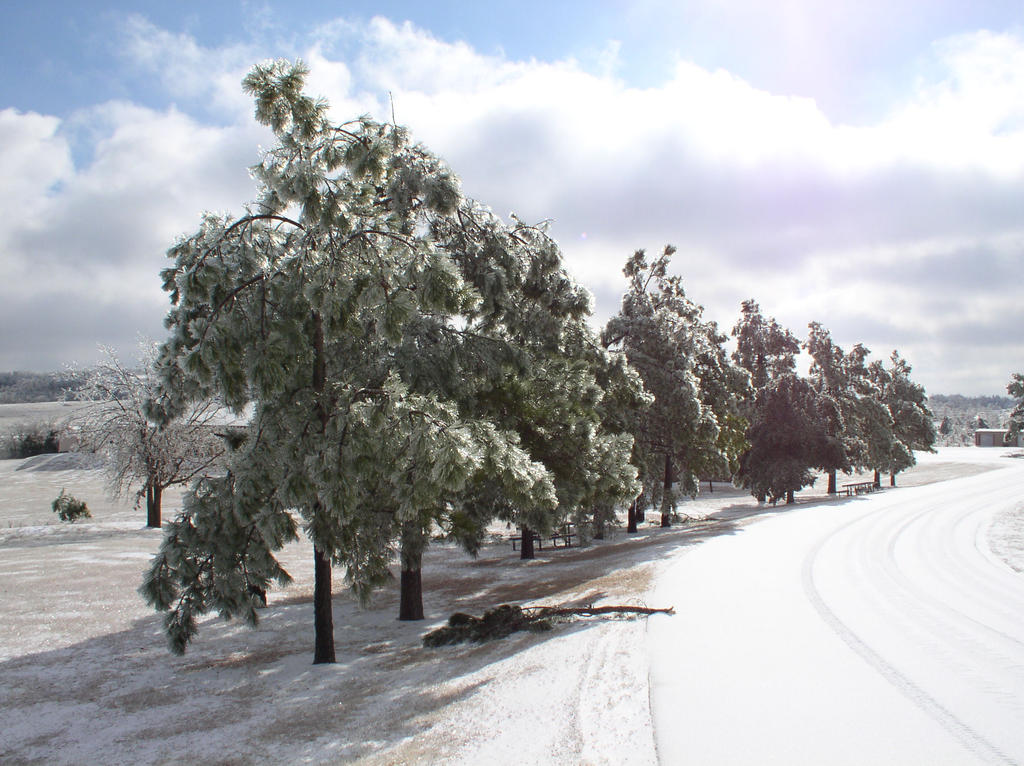
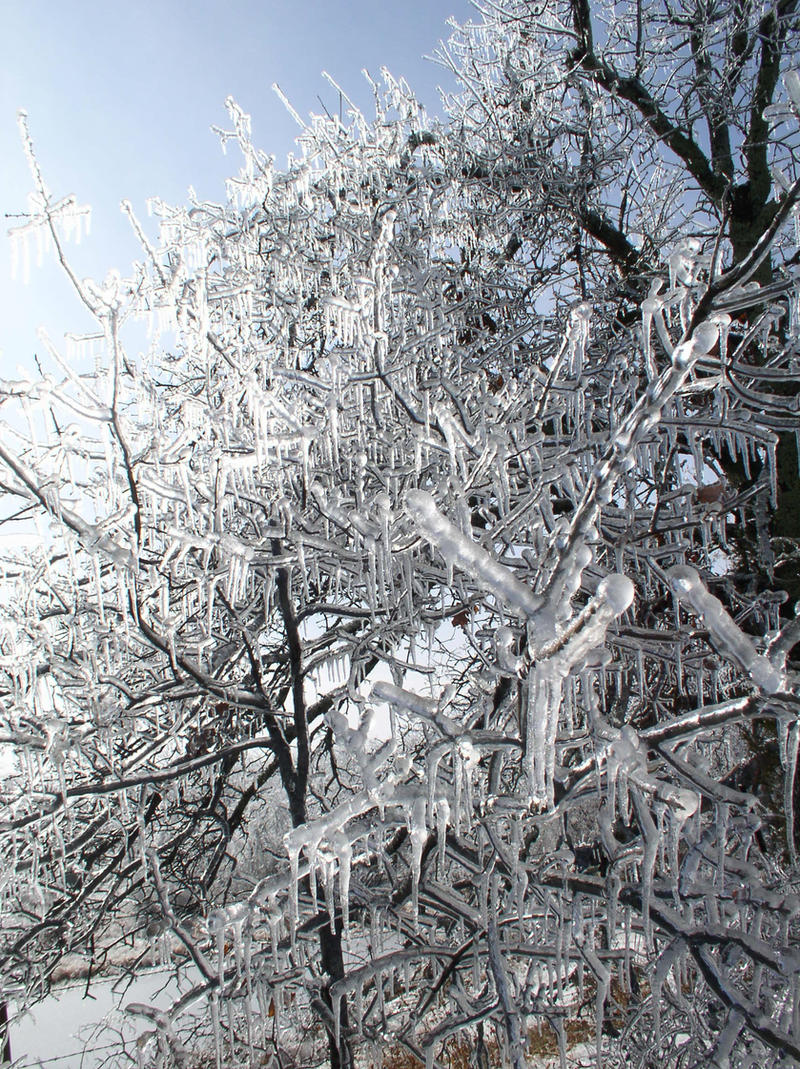
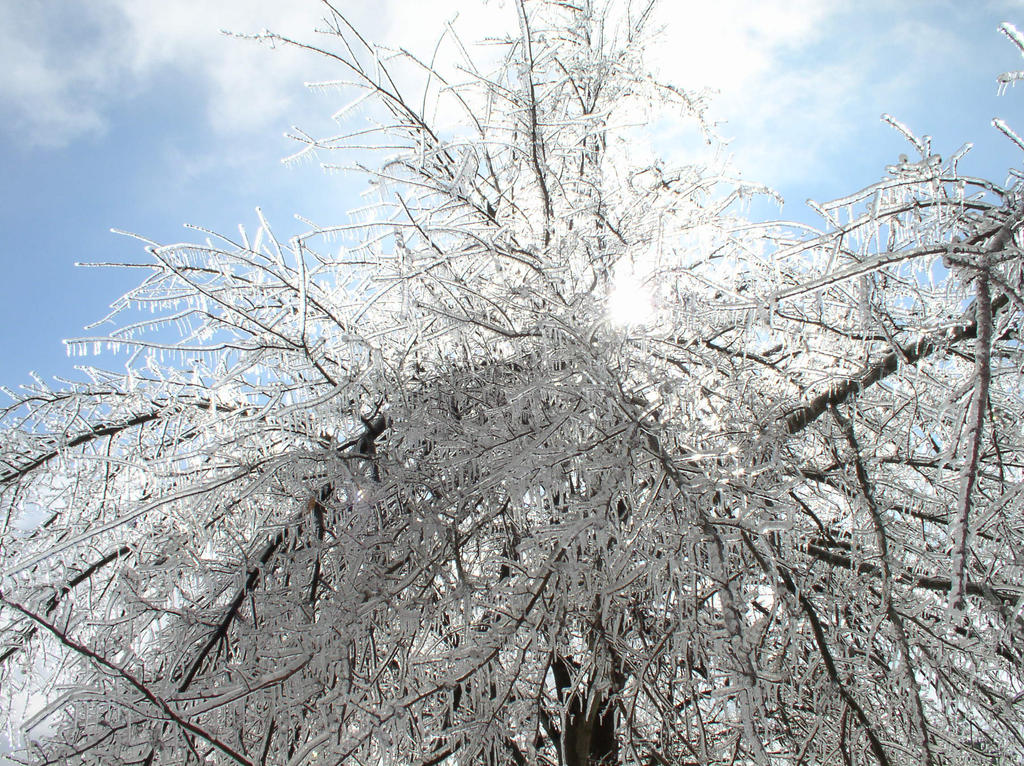
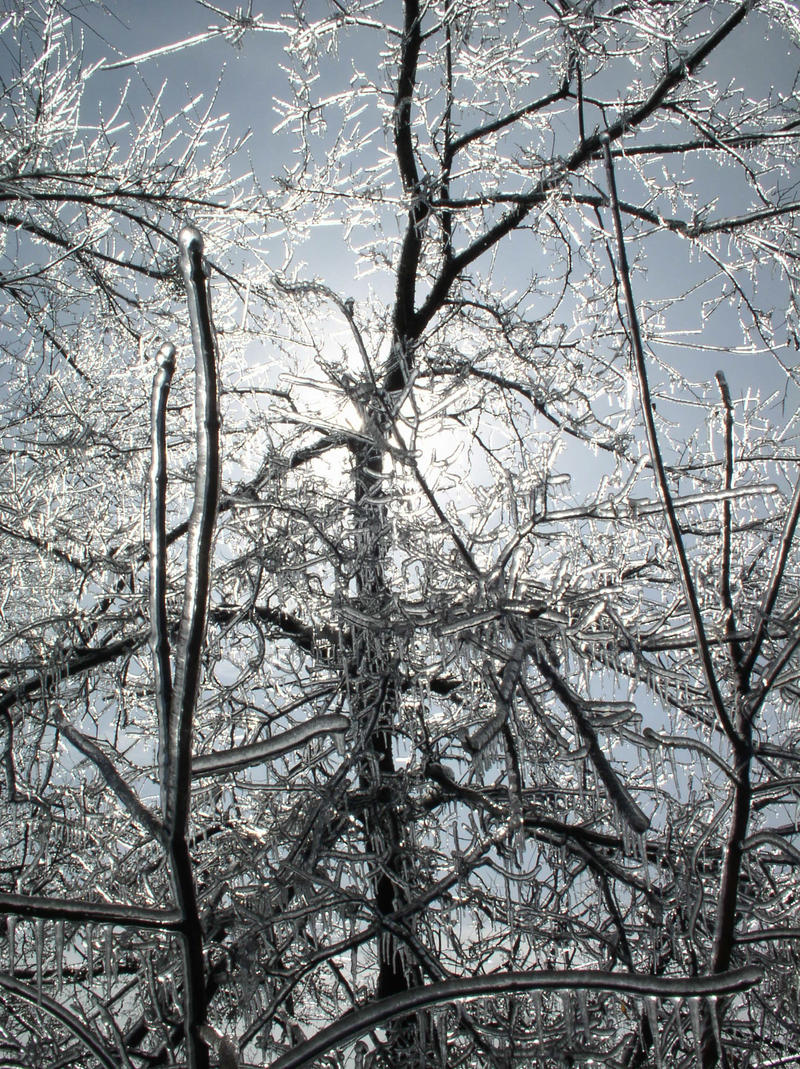
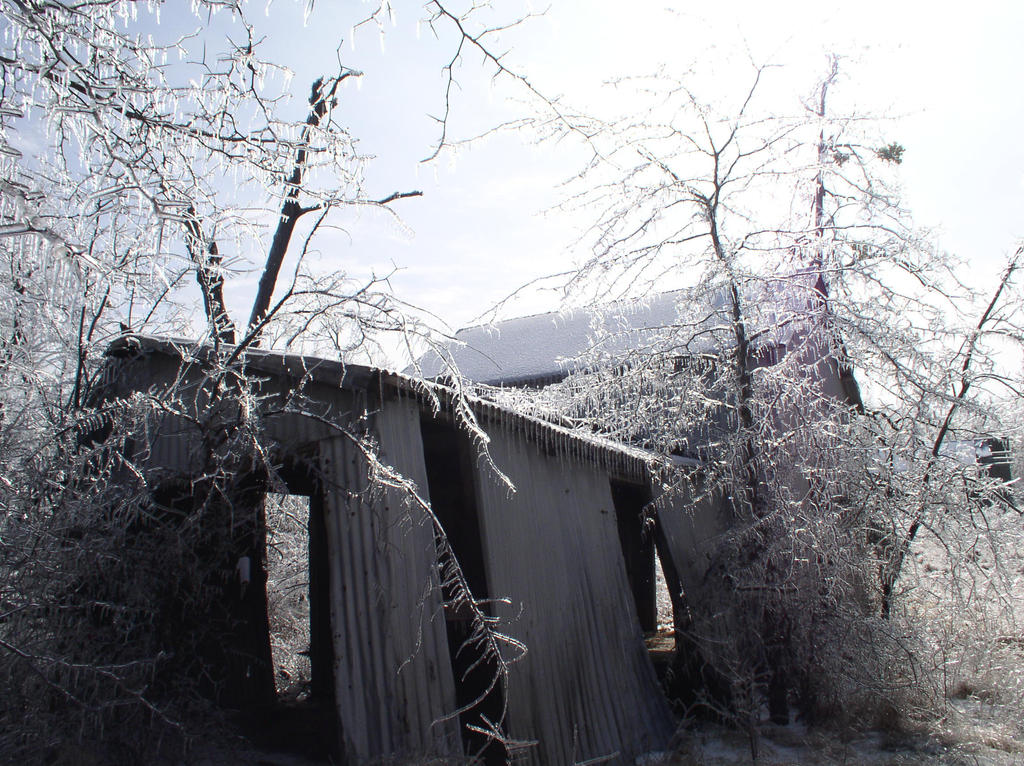
We just had a big ice storm, something I haven't seen since I lived in Missouri. Naturally, I went nuts on the photos, and took about a million:


There was even ice on the drilling rig:


This is a good shot of the rig I'm working at right now. They're drilling a well for XTO:

Last night I looked out and saw the Moon and Venus right behind the rig. I'm still trying to get the hang of night shots, but I'm definitely getting better, and it was a chance to try some cool shots that I couldn't pass up. Here's the best one:

I wish I had a tele-photo lens, so I could take this shot from farther back and make the Moon look bigger next to the rig. Another time, maybe.

Meanwhile, this has been a nice break from blogging about politics, and this gets the personal info aspect of my blog caught up to the present. I hope you enjoyed the photos.

Sunday, January 11, 2009

Better Late than Never

It's way past time to blog about my trip to New Orleans, considering I got there almost a month ago! If I don't write about it now I never will. I've been too lazy to blog lately, especially since I've suddenly got all this free time that I've been using to catch up in my leisure reading. I'll keep this fairly brief, with plenty of pictures.

The reason I went to New Orleans was to attend a week-long "camp" hosted by Shell Oil, where they teach classes on drilling for and producing oil in the Gulf of Mexico. Shell's main offices are in New Orleans, which is why the camp is there. The classes were aimed mostly at engineers; in fact, of the half-dozen schools that sent students (there were about 40 people there total) there were only five geologists, and all came from BYU-Idaho. Aside from me, Dr. Little was there (the only professor, and embarrassingly enough he of course randomly ended up in my group), along with Tyson, Annelise, Clint and Dan Lancaster. We were split up into four groups, which took turns spending a day learning about, drilling, production, supsea operations and safety. Of the four classes, drilling was the most interesting and surprisingly enough safety was the most fun. Here's why safety was so much fun:


What is that, you ask? It's a helicopter crash simulator. We got in, put on our seatbelts, and got dunked under the water and had to escape alive. There were only two in our group that didn't survive the course. (Just kidding, you can see the scuba guys watching from under the water, there was no real danger but it was a lot of fun). They dunked us three times, and the last time they flipped us upside-down, as you can see in the pictures. Unfortunately, our group got to do this the first day, which meant we got the most fun part out of the way too soon. The rest of the safety class was lecture, but the guy teaching did a good job making it interesting. For one thing, I am no longer skeptical about the warnings about entering your car while filling it with gas:


This happens to girls more than guys, because we're less likely to wear staticky sweaters. The girl in the video is lucky her stupid decision to pull the thing out of her car didn't soak her in burning gasoline!

The drilling class was cool because we got to use a simulator for a drilling rig. Sadly I don't have pictures of the simulator, but it was pretty cool. I'm working at one (not on one, though) now, and I know what's going on because of the simulator, which is useful. Basically, the rig lifts up a pipe connected to a motor, with a drill bit at the end, and drills into the ground, like shoving a huge straw into the ground. The pipes on the rig I'm working at are 30ft long. Once the pipe is all the way down, they hold it in place, lift a new pipe and fit it on top of the other one, and continue drilling. It's fun to watch. There's an episode of Dirty Jobs where Mike Rowe works on a drilling rig, but unfortunately it's not on YouTube.

The subsea and production classes were interesting as well, just not quite as interesting. There were some lectures on the big picture of oil production in the Gulf of Mexico as well. The thing that always amazes me is the expense involved, and the risk. The drilling rigs in the Gulf cost anywhere from $750,000 to $1,500,000 every day to operate, and there's no guarantee a hole they drill will produce enough oil to pay off. There is no other industry I can think of with such high expenses, huge risk, and little thanks from the public that depends on their product. There are no Big Oil "obscene profits." Despite what Bill O'Reilly thinks, the Big Oil executives don't conference call every day to decide today's price of a gallon of gasoline. Oil companies have a very small profit margin compared to retail, which typically marks up items as much as 100-200% in some cases. Plus, except for Wal-Mart, retail isn't named the world's biggest villain as often as oil. Just be glad our government doesn't own the oil industry yet, that would be a disaster. But enough politics, more pictures!

This is a set of drill pipe with the drill inside, set down and cut open. That on the bottom is designed to guide the pipe down the hole, then they drill right through it (it's made of clay).

This is one of the machines they set on the ocean floor once a well is drilled. It's basically a whole mess of valves and pipes, and controls the flow of oil from a subsea well.

Close-up of the subsea production unit, the gray metal is called a "sacrificial anode." Since salt water is corrosive, and this machinery is expensive, they place several of these on everything they put underwater. It's made of an alloy that is more reactive than the metal of the machinery, and so attracts the corrosive ions in the water. The result is that the sacrificial anodes corrode first, saving the machinery.

This is a huge plug! Those two plugs on the ground are designed to fit in that huge outlet on the yellow machinery. The various connections allow gas, fluids, electricity and communication to flow to and from the bottom of the ocean to the control center above the surface. Also, they're heavy.

If sand gets into the pipe, it means trouble. They have sound sensors to tell when this happens, but if it gets out of hand this is what happens.

More sand damage, this time not painted over.

They had working production equipment on-site, but filled with water instead of oil. We got to trouble-shoot problems; this is a member of my group opening a big valve.

Another member of my group starting a big pump.

A cut-away of a tank that separates water, oil and gas and sends them to different pipes.

Since most of the people there were engineers, many of them were curious about the geology side of the oil business. None of the people in charge of the event knew much about it, so they set aside time for Annelise, Tyson and I to teach short courses (on the spur of the moment!) about basic geology and seismic interpretation, which was really fun. The highlight of this for me was while I was making a presentation about sequence stratigraphy and how it applies to interpreting seismic profiles (the squiggly lines the engineers give us that we look at and say "drill here"). An engineer asked me if geologists ever disagree in their interpretations, and I replied with the standard joke about if you have three geologists in a room you have five opinions. This didn't sit well with a couple of the engineers, who didn't feel comfortable dividing five opinions by three people, and the guy that asked the question asked why it wasn't six opinions. It really bothered him to not have an evenly divisible number of opinions, to the point that he even changed his facebook status to "wonders why three geologists would have five opinions." It still cracks me up that this was the most difficult point of the lecture. Also, I got a $25 gas card for presenting this, which was extra cool.

After four days of these classes we went as a big group to One Shell Square in New Orleans, Shell's main office there. It was an interesting tour, with a good question and answer session with workers there that left me thinking I wouldn't mind working at Shell as a geologist at all. The big deal for me was the 3D seismic room. This is what I want to do as a career. The room was like a mini-IMAX theater, with lots of computing power, and 3D goggles. I took a picture of the screen, but it's a double-image if you're not wearing the goggles, which you aren't:

The green and white are salt domes under the ocean floor in the Gulf of Mexico, and the red and yellow lines are wells. The gray in the background is the seismic profile. They make noise at the surface and listen for echoes, like sonar, and come up with that picture. The guy demonstrating could slide back and forth with his mouse and show hundreds of these parallel to each other, which is how they get the 3D picture. And to elaborate on the risk I mentioned earlier, they can't see through the salt because it messes with the sound waves, but they are currently spending $100,000,000 to drill a well around and under this particular salt dome. The engineers are only 90% certain they can even get the well where they want it, and with all the other factors accounted for there's only a 50% chance they'll even get any oil out of this hole. $100,000,000 for a 50% chance of finding oil. You don't do that unless there's major profit opportunity involved. The goggles were super-cool, too:

Sarah and Kristen wearing the goggles (sorry, I don't have a shot of me stylin' like this).

There was also some opportunity to be a tourist. Unfortunately there was too much cloud cover to get a good photo of the Mississippi Delta, but I got a few cool shots from the air approaching New Orleans:

Between layers of cloud.

Looks like someone had an accident.

The main highway runs over a swamp.

Sunset at the airport.

After our tour of Shell's offices, our new friend Sarah, who lived nearby, offered to drive Tyson, Clint and me to down town New Orleans for some sightseeing before our flight home. First we went for some food, and were entertained by some very good music. The lead Trombone player here sang, too, and sounded almost like Louis Armstrong:


We got to stand on the levy while the engineer that drove us there got to be amused by four geologists getting all excited about the river.

The water level here is higher than ground level in downtown New Orleans.

Of course we went to Bourbon Street, which was, I will say, an interesting cultural experience. It really wouldn't be a big tragedy if this place got washed away, it's really not a good place at all. Interesting to see, though.


Voodoo is a big theme at the bars and stores on Bourbon Street.

They had interesting things for sale in the stores. I'm going to make the thumbnails for these pictures very small, so you can't blame me if you're offended by anything.

I wanted to buy a bag of this coffee as a souvenir, but if I did I'd probably end up drinking it:

Some Mardi Gras t-shirts you can't wear on BYU-Idaho campus:


We went into a gem store, because we're geologists, and they had some phallic jade carvings:


Of course there were people on the street trying to get people to come into various buildings "for free," but of course once inside they'll want you to spend lots of money on drinks and women. I didn't take a picture of the other sign on this place, this one was interesting enough. Needless to say, we didn't go in:

Then we went for more food, then on the plane home. It was a very fun trip, and the very best thing about it was all we had to pay was airfare, and food while sightseeing. Everything else, the lodging, the classes, the food, was all paid for by Shell. They didn't even have a guarantee that any of us will ever work for them. This was a major investment in future engineers and geologists with no guaranteed payoff that Shell does every year, because engineers and geologists make lots of money for oil companies, and therefore get paid a lot. This was one of the most fun vacations I've ever had; the only downside was that Kate couldn't come. At least she was able to enjoy the pictures I brought home....