Showing posts with label History. Show all posts

Friday, July 30, 2010

Big Media, Big Government, and Manufactured Crises

Guess what? I have fun stuff to blog; but while I get the photos ready, lets' get the first of two major "See, I told you so"s out of the way first.

Last month, in a post about the BP-Obama Oil Spill, I shared the following important quote by Rahm Emanuel, mastermind behind the deceptive but brilliant tactics that put Nancy Pelosi in place as Speaker of the House in 2006, and current Chief of Staff to President Barack Hussein Obama (the first racist president in my lifetime, and the first I know of to have declared open war on the United States):
"You never want a serious crisis to go to waste. And what I mean by that, it's an opportunity to do things that you think you could not do before." - Rahm Emanuel
This quote came before the BP-Obama Oil Spill, but was validated as the central tenet of liberal political tactics as Obama's response to the spill consisted of refusing cleanup help offered graciously by foreign countries, forbidding Bobby Jindal from building sand berms, refusing to utilize cleanup boats from other parts of the country because "they might be needed where they are", and delaying BP from testing and using the cap that finally stopped the leak as long as possible. Meanwhile reporters were denied access to "oil-soaked" beaches, while Obama made an appearance between golf trips to a Gulf Coast beach to pick up tar balls (there are always tar balls on those beaches; they are a natural occurrence, due to natural seepage of oil that has nothing to do with drilling, and the recent oil spill consisted of light crude unlikely to form these balls!).

This "crisis", however, shows that the liberal philosophy goes far beyond simply capitalizing on a crisis. Rahm may as well have said "If there's not a crisis, but an opportunity to manufacture a fake one, don't let the opportunity to fool those stupid plebes that voted for us go to waste!" This was the perfect opportunity to use a net of lies to continue Barack Hussein Obama's war against America's private sector, and fire a volley of unconstitutional decrees aimed at destroying the economy of the Gulf Coast.

The BP-Obama Oil Spill was universally throughout the mainstream media and Big Government billed as the greatest environmental catastrophe in the history of the United States. The Obama Regime felt secure in making such outrageous claims because Big Media is always on the side of Big Government. In fact, Rush Limbaugh has coined a term far more descriptive of Big Media: Partisan Political Operatives.

There were several voices, either completely ignored by Partisan Political Operatives or dismissed as "anti-environment" or "crazy" or "invested in Big Oil", etc., who insisted that this "environmental crises" was anything but. I summarized it last month, a couple weeks before the leak was stopped:

"The Ixtoc I oil spill, about the same size as the BP-Obama spill and also in the Gulf of Mexico, occurred in 1979, and almost no-one remembers it today. This spill is bad, but it will be little more than a sentence or two in our children's history books. Even with the higher estimates of about 130 million gallons of leaked oil, the Mississippi River pours that much new water into the Gulf every 38 seconds. The Gulf is huge. Even without drilling, millions of gallons of oil naturally seep into the ocean daily, and the seawater destroys it. This is far more concentrated, but even with no action whatsoever on our part, in a couple decades it would be cleaned up naturally. The surface of the Gulf is 615,000 square miles, and the volume is 660,000,000,000,000,000 gallons. That's 660 quadrillion gallons, more than any mind can conceive. This spill is tiny, and the Earth isn't even noticing it."

The current evidence from the Gulf of Mexico seems to show that even that was an understatement! Just days after the leak was finally stopped (by BP, not the government!), there are already very few signs that anything ever happened out there. It's such a drastic contrast that even the Partisan Political Operatives who pretend to report news can't ignore it. All over Big Media, they're all scratching their heads, saying "Where is the oil?", and are desperate to find any evidence they can of environmental harm, but it's just not there! The current media template is that "the oil seems to have rapidly evaporated and been broken down by bacteria, but there has to be some sort of long-term damage, and we need to wait to resume drilling until we figure out what it is." If the media had been doing the job they claim to do, reporting news rather than pushing the political agenda of the Obama Regime, they would have been saying all along that "once this is capped, nature will take care of it far better than we can, and in a few months all will be back to normal". Instead, it's a shock and a surprise!

Here it is from the New York Times, "On the Surface, Gulf Oil Spill Is Vanishing Fast; Concerns Stay":

"The oil slick in the Gulf of Mexico appears to be dissolving far more rapidly than anyone expected, a piece of good news that raises tricky new questions about how fast the government should scale back its response to the Deepwater Horizon disaster."

"The dissolution of the slick should reduce the risk of oil killing more animals or hitting shorelines. But it does not end the many problems and scientific uncertainties associated with the spill, and federal leaders emphasized this week that they had no intention of walking away from those problems any time soon. The effect on sea life of the large amounts of oil that dissolved below the surface is still a mystery."

"[...] understanding the effects of the spill on the shorelines that were hit, including Louisiana’s coastal marshes, is expected to occupy scientists for years."

"The gulf has an immense natural capacity to break down oil, which leaks into it at a steady rate from thousands of natural seeps. Though none of the seeps is anywhere near the size of the Deepwater Horizon leak, they do mean that the gulf is swarming with bacteria that can eat oil."

You get the idea. This was known before the BP-Obama Oil Spill, so why were those voicing these opinions treated as fringe kooks? Because that opinion wouldn't hurt Big Oil the way the Obama Regime and his Partisan Political Operatives wanted. Now, the truth is inescapable, so suddenly these people have a voice, but "don't be too hasty saying this is done, 'cause there has to be a problem and we're going to investigate until we find one or make one up!"

From the Washington Post, "Majority of spilled oil in Gulf of Mexico unaccounted for in government data":

That would leave slightly less than 4 million barrels missing.

The best-case scenario is that much of this amount has been eaten by the gulf's natural stock of oil-munching microbes. Several scientists have said they are concerned that these microbes could cause their own problems, depleting the oxygen that gulf creatures need in the water.

But Wednesday, NOAA's Lubchenco said oxygen-free dead zones have not been detected so far. And Ed Overton, a professor at LSU, said he believed the microbial process, supercharged by summer heat, was helping. "We have made a gigantic biological treatment pond in the gulf," Overton said. Because of its work, he said, "we're well, well over the hump. I would say that the acute damage -- we've seen it, it's [already] been done. And that the environment is in the recovery stage."

Notice how they set the tone right from the beginning, suggesting that this is a mystery, and not obvious. The oil is "missing", "unaccounted for", not broken down by bacteria and taken care of by nature, even though the quotes shared say that's what happened. Don't let facts and evidence get in the way of the message!

Another Washington Post article, "Oil in gulf is degrading, becoming harder to find, NOAA head says", says this:

"The light crude oil is biodegrading quickly," NOAA director Jane Lubchenco said during the response team daily briefing. "We know that a significant amount of the oil has dispersed and been biodegraded by naturally occurring bacteria."

Lubchenco said, however, that both the near- and long-term environmental effects of the release of several million barrels of oil remain serious and to some extent unpredictable.

"The sheer volume of oil that's out there has to mean there are some pretty significant impacts," she said. "What we have yet to determine is the full impact the oil will have not just on the shoreline, not just on wildlife, but beneath the surface."

But much of the oil appears to have been broken down into tiny, microscopic particles that are being consumed by bacteria. Little or none of the oil is on seafloor, she said, but is instead floating in the gulf waters.

The head of the NOAA is herself a Partisan Political Operative (that's how you get that job), and so of course is a good source for Big Media, saying here "yeah, looks like the seawater is taking care of it, but... there has to be significant impact, and we're going to look 'till we find it!"

It's not a surprise. Those of us with perspective of history and previous similar events and a dose of common sense knew this was a tiny blip in the big picture, and nothing remotely resembling an environmental crisis. The real crisis is the war being waged on American prosperity by the very man whose responsibility it is to represent the country he despises. Barack Hussein Obama, you and your big ears may have won this battle, but the war will be decided November 2010, and the Last Battle for America will be fought November 2012 (I'm starting to think the Mayans were right, and the world will end in 2012, but it won't be with tidal waves and solar flares, but with the last free country conquered by socialist dictators!).

Meanwhile, here's something ironic: It seems ethanol production isn't so good for the environment, but since ethanol is supported by the Regime and the Partisan Political Operatives, stories like this are rare: From the San Francisco Chronicle, "Dead zone in gulf linked to ethanol production".


(I thought of a clever t-shirt/bumper sticker: "Ethanol: Goes in your mouth, not in your car!")

Sunday, July 4, 2010

Independence Day 2010

"We hold these truths to be self-evident, that all men are created equal, that they are endowed by their Creator with certain unalienable Rights, that among these are Life, Liberty and the pursuit of Happiness."

If there is a single sentence that embodies the essence of the United States of America, it is this one, near the beginning of the Declaration of Independence more than 200 years ago. It is the statement on which our nation was founded. The Declaration goes on to say that the sole purpose of government is to protect these rights. These rights are given to us not by any man or group of man, not by any government or institution; it is made quite clear in our founding document that these unalienable rights are given to us by God. It is made clearer in the Ninth and Tenth Amendments to the Constitution that the government's role is not to grant rights, but to protect them; and that the purpose of our founding documents were to protect the people against abuses of power by government:

The Ninth Amendment: "The enumeration in the Constitution, of certain rights, shall not be construed to deny or disparage others retained by the people."

The Tenth Amendment: "The powers not delegated to the United States by the Constitution, nor prohibited by it to the States, are reserved to the States respectively, or to the people."

It cannot be made clearer that government is to be limited. A bloody war was fought to throw off the chains of an oppressive government, and it would all be a waste if we were to become as oppressive ourselves as that government so many sacrificed their lives to free ourselves from.

Sadly, we are doing just that. As we prepare to celebrate our independence from the British Empire, our Congress is preparing to confirm to the Supreme Court Barack Hussein Obama's nominee, Elena Kagan. When asked her opinion of "natural rights" not specifically stated in the Constitution, Elena Kagan responded, "To be honest with you, I don't have a view of what are natural rights independent of the Constitution." In other words, if it's not stated in the Constitution, it's not a right of the people.

But this is the opposite of what the Constitution actually says! Many states refused to ratify the Constitution without the inclusion of a Bill of Rights to specifically limit the government from taking powers, concerned that if the Constitution didn't say the people had a certain right, the government may someday assume it wasn't a right at all. Others countered that if the Constitution did contain mentions of specific rights, that the government might someday assume that those not specifically mentioned were up for grabs. We'll never know what course our history would have taken without the Bill of Rights, but it is clear now that those who argued against the inclusion of a Bill of Rights were justified in their fears.

The one and only purpose of the Supreme Court is to be sure that the Constitution is upheld. Yet we have a Supreme Court who recently only upheld the Second Amendment (right to bear arms) by a margin of a single vote when called on to judge the Constitutionality of an illegal ban on guns in Chicago; and now we are about to confirm a Justice who refuses to acknowledge the specific wording of the Declaration of Independence and the Ninth and Tenth amendments.

This Independence Day, it is time to look back not just to the Constitution, but to the Declaration of Independence. I'd like to quote Abraham Lincoln in a speech given in Peoria, Illinois on October 16, 1854:

"Nearly eighty years ago we began by declaring that all men are created equal; but now from that beginning we have run down to the other declaration, that for some men to enslave others is a "sacred right of self-government." [...] Our republican robe is soiled and trailed in the dust. Let us repurify it. [...] Let us re-adopt the Declaration of Independence, and with it, the practices, and policy, which harmonize with it. [...] If we do this, we shall not only have saved the Union: but we shall have saved it, as to make, and keep it, forever worthy of the saving."

Read it again. Lincoln's thoughts at the time were in regards to abolishing slavery, but it is every bit as relevant today. In exchange for government benefits we have bit by bit surrendered freedoms to those whose purpose is to protect those freedoms, and have come to a tipping point at which we may soon lose them all or fight to save them. To quote Tom Waits, "There's always free cheddar in a mousetrap; it's a deal, it's a deal!"

Read Lincoln's words again:

"Let us re-adopt the Declaration of Independence, and with it, the practices, and policy, which harmonize with it. [...] If we do this, we shall not only have saved the Union: but we shall have saved it, as to make, and keep it, forever worthy of the saving."

In short, my point is this: Nathan's makes delicious hot dogs, but I don't like sauerkraut.


(click for full-size)

Sunday, June 13, 2010

D-Day 2010

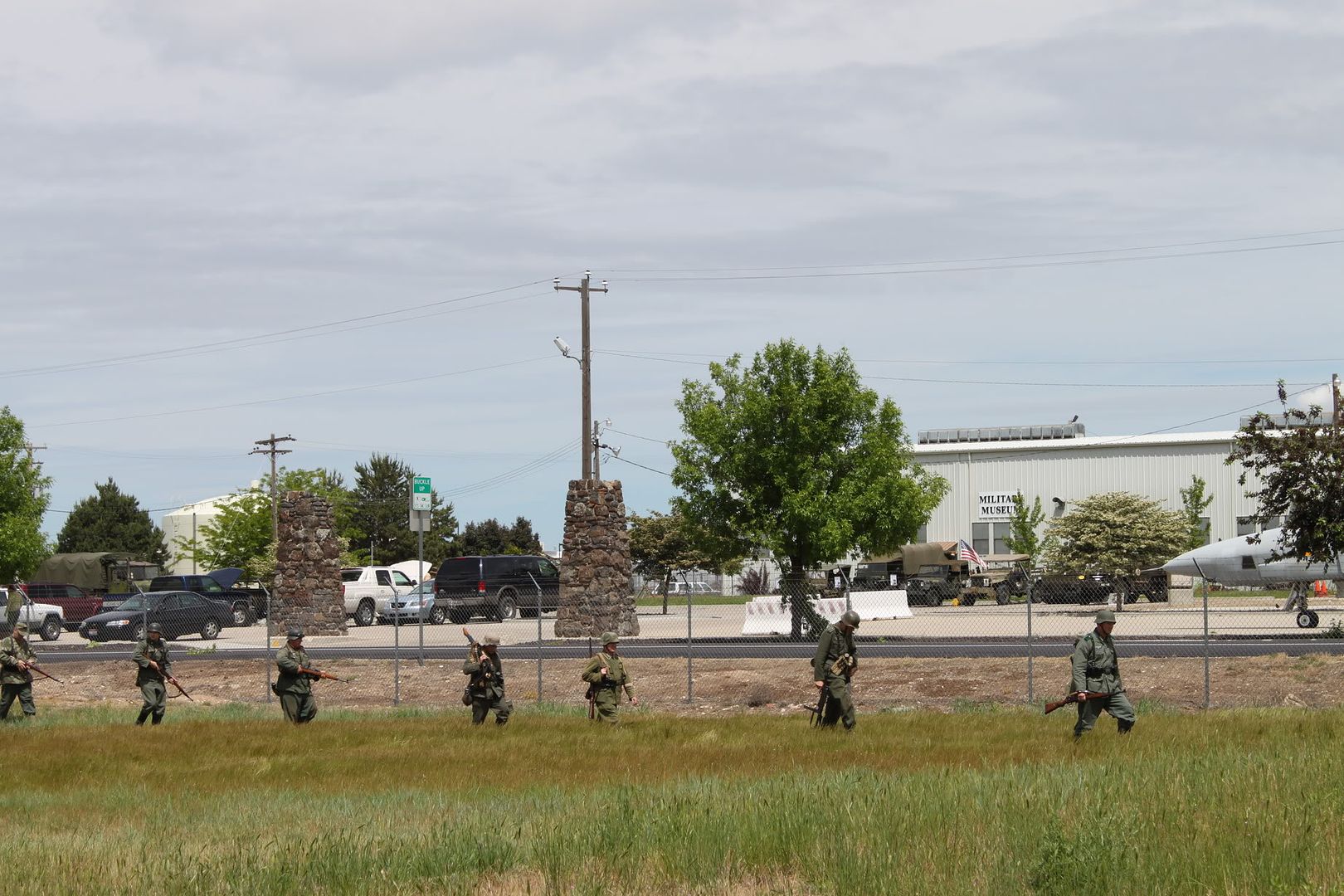
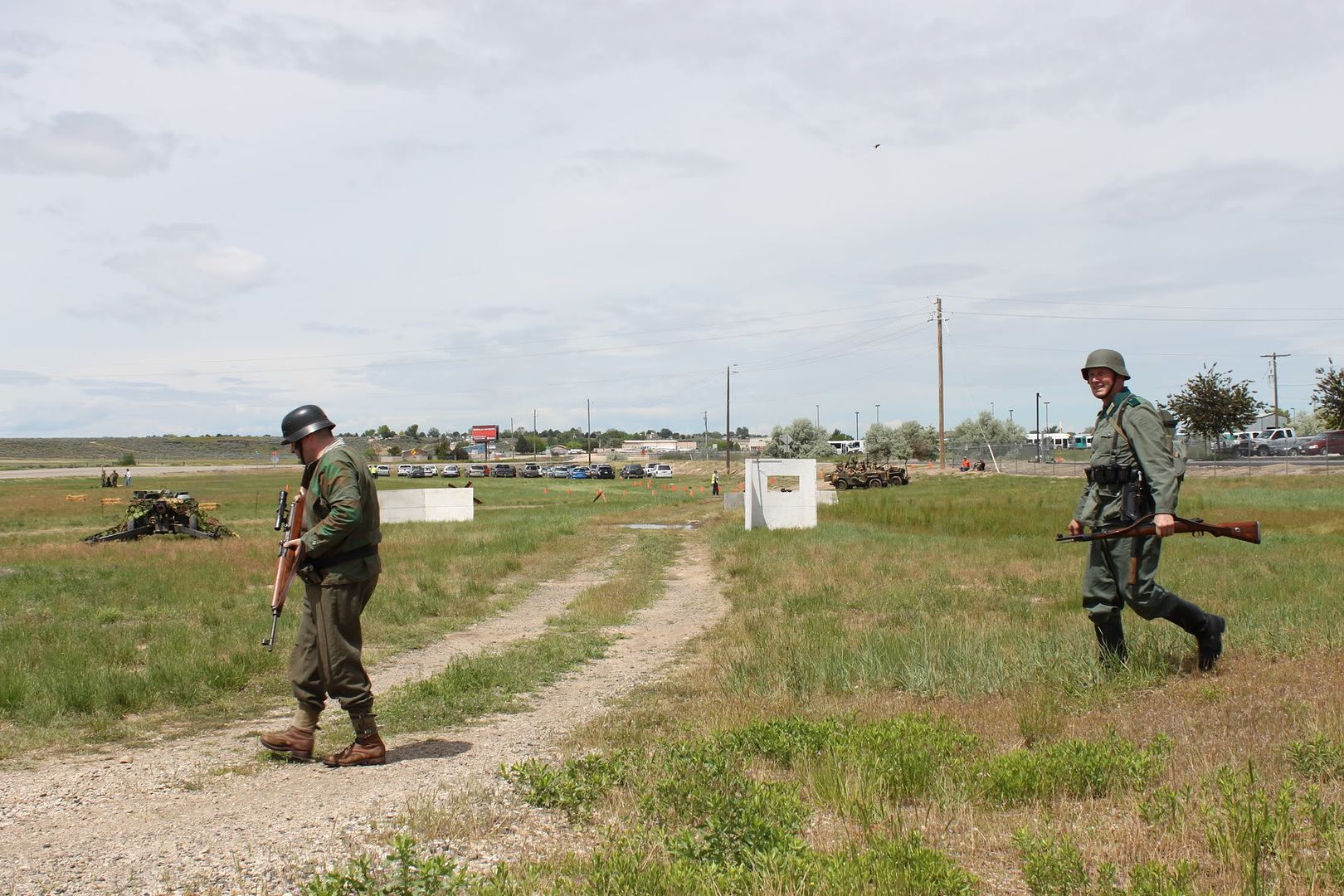
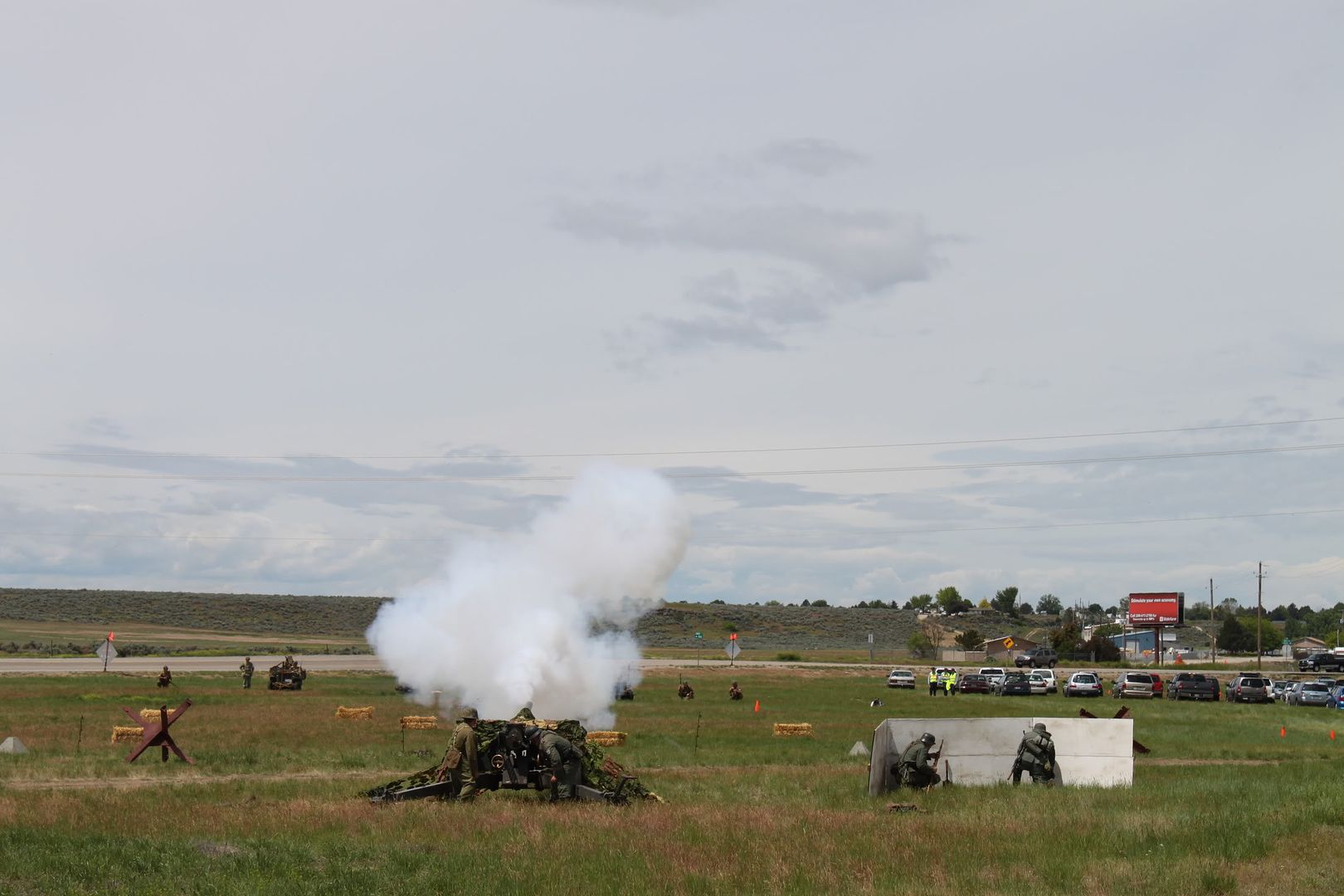
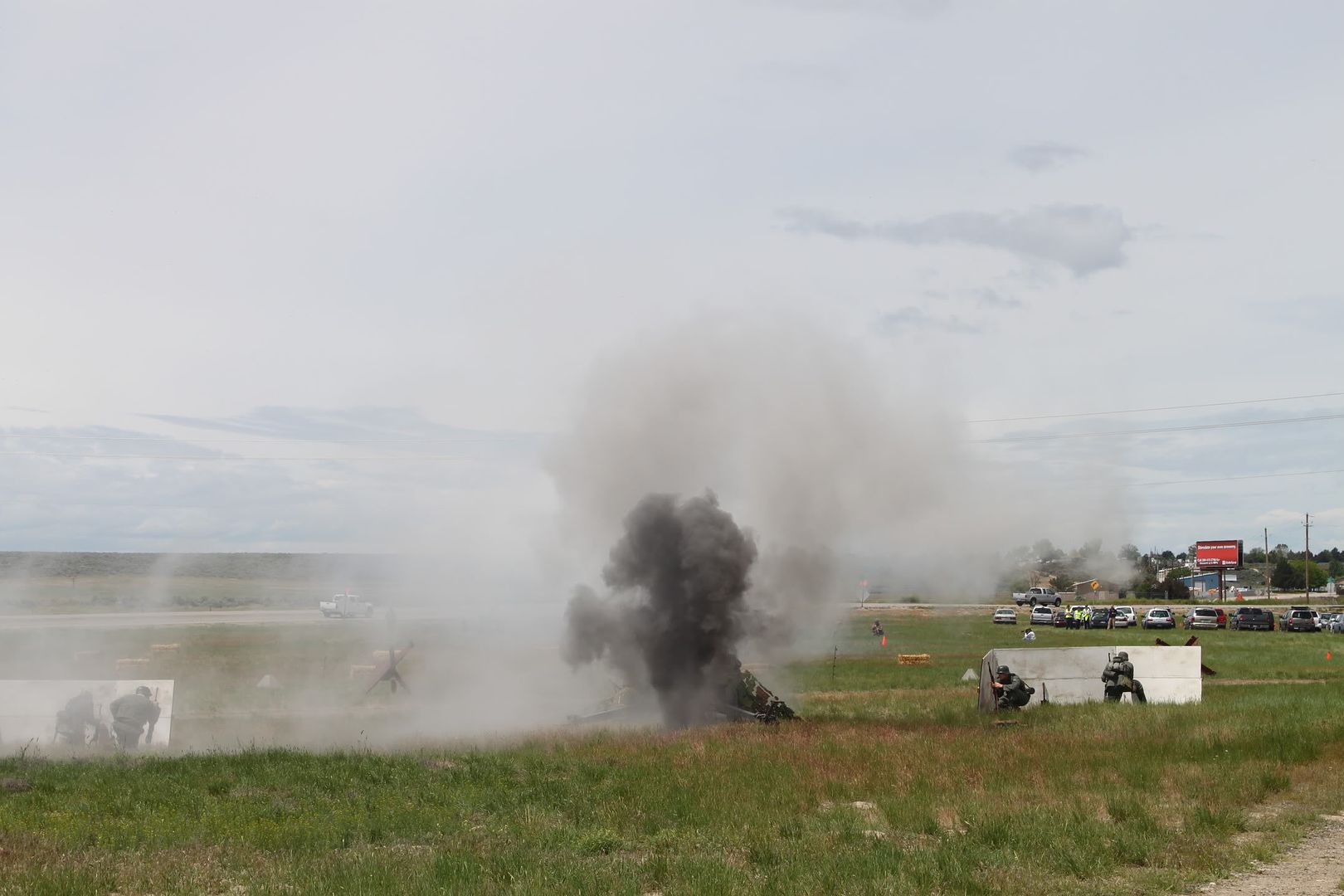
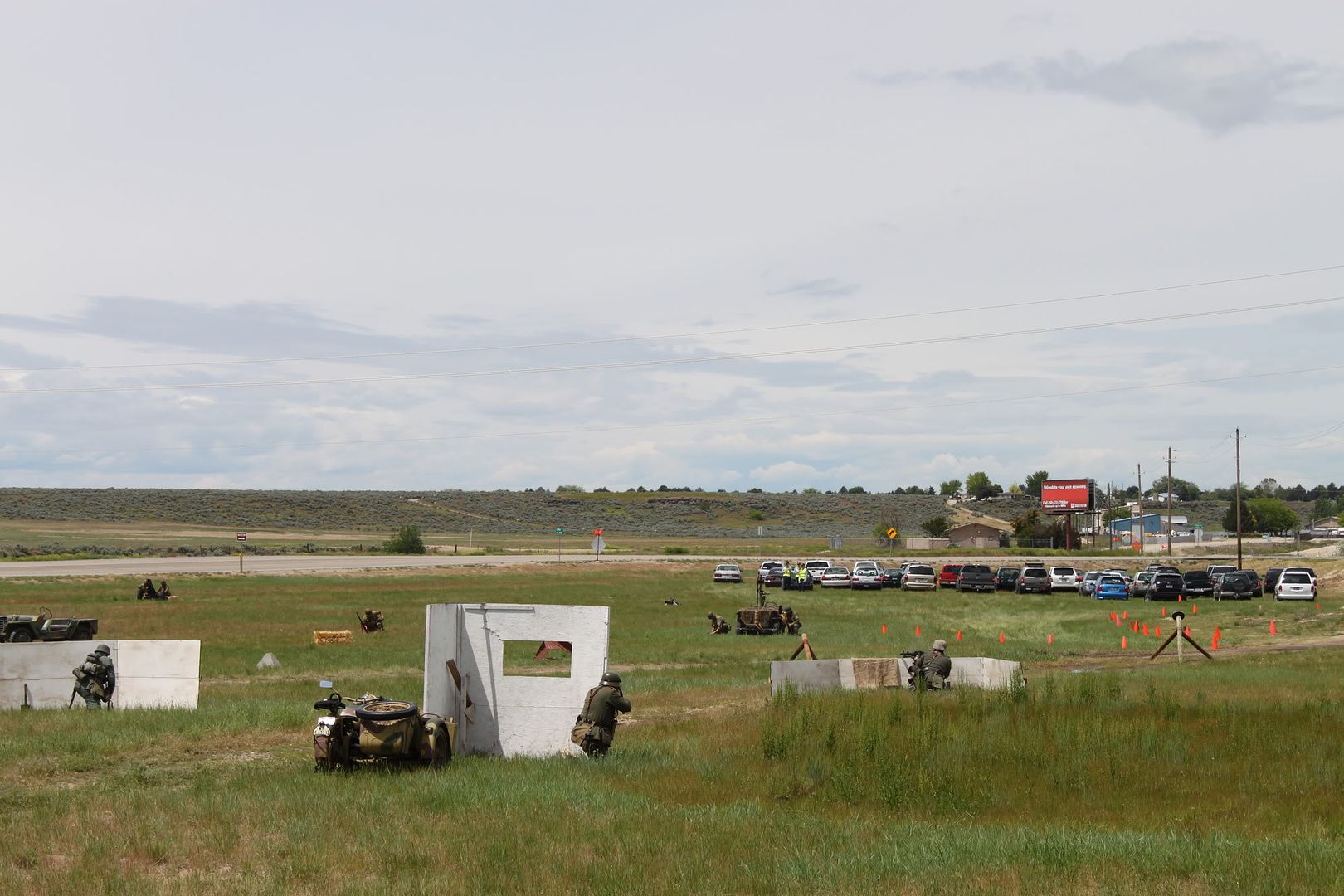
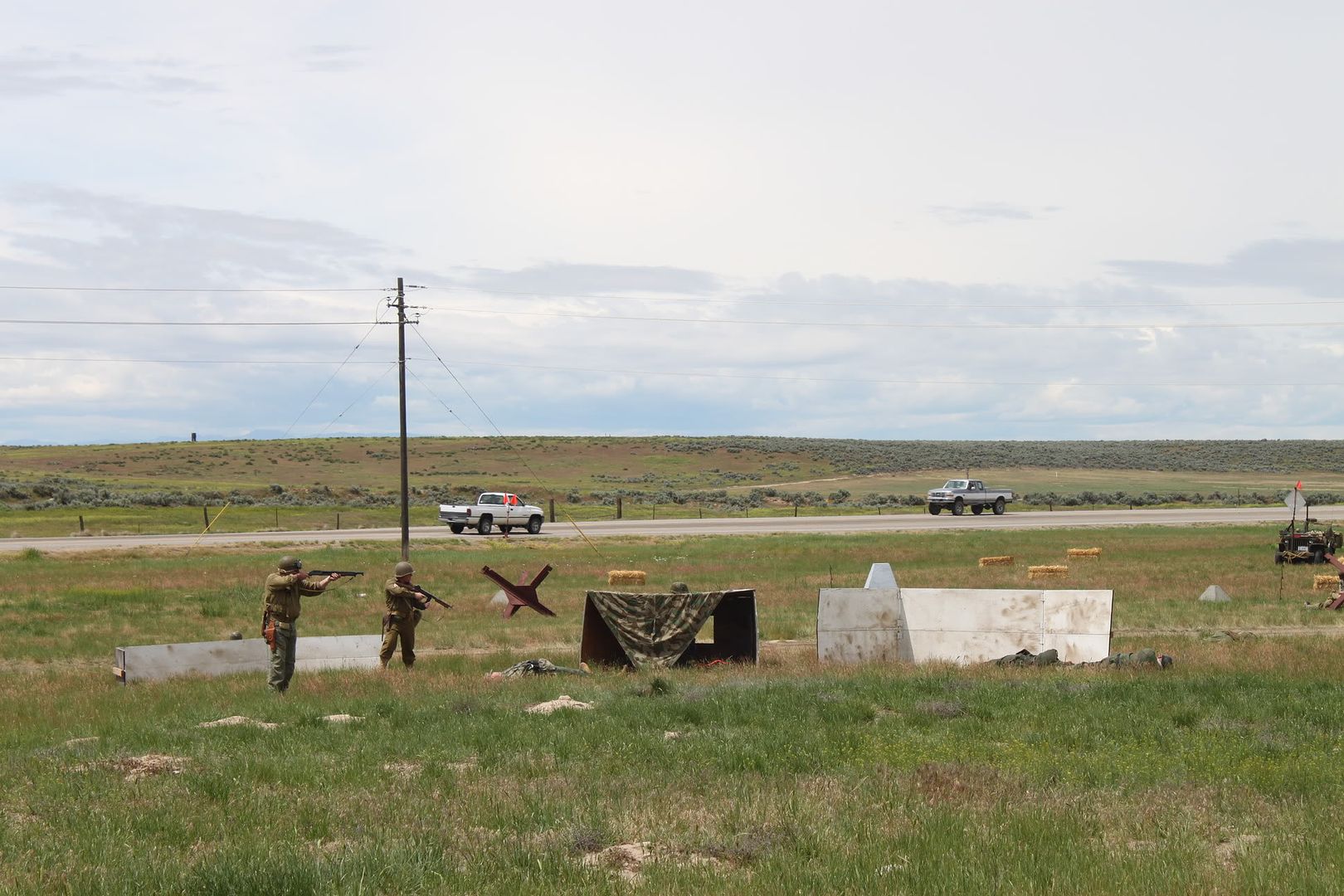
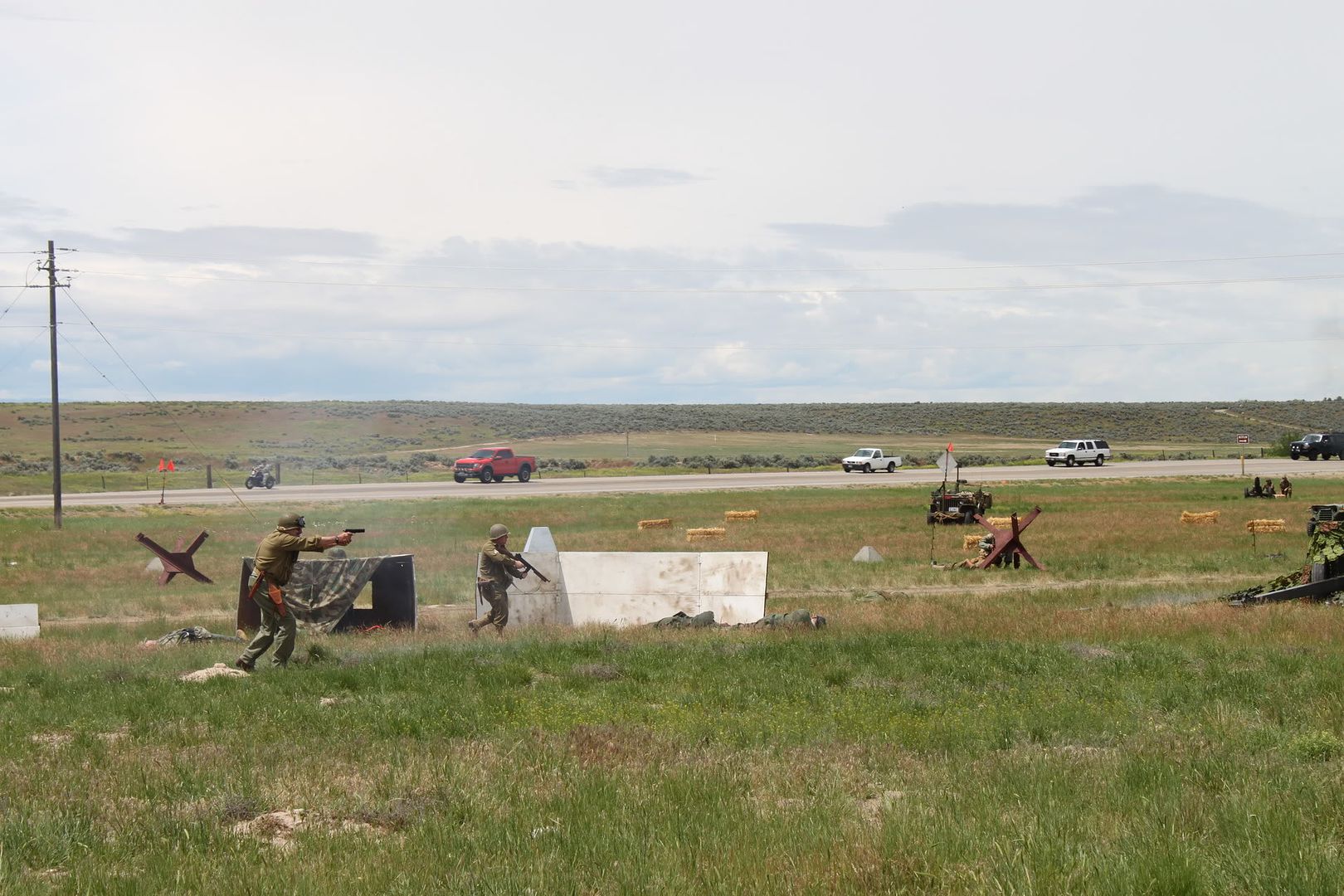
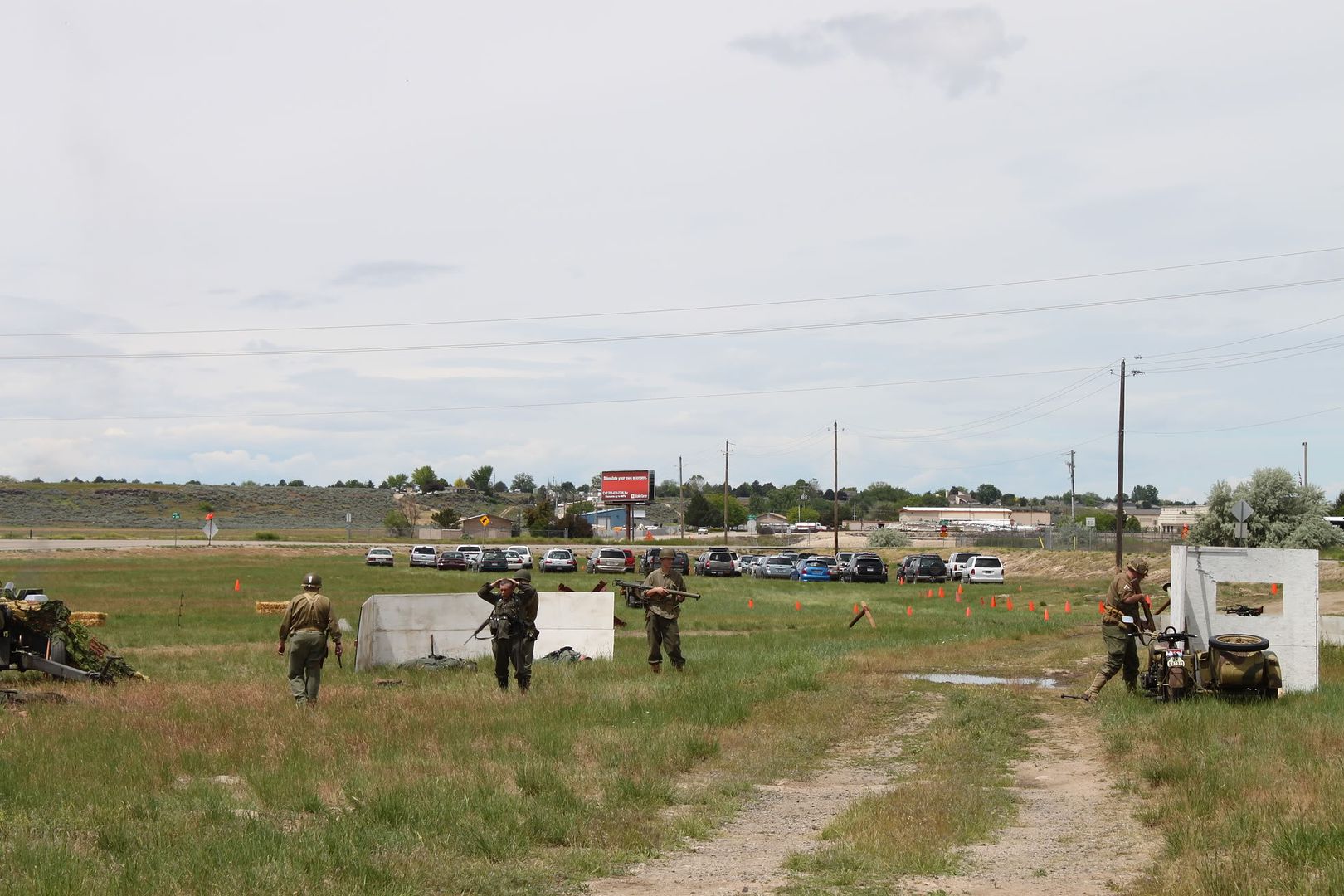
Well, it was a whole week ago, but this year's anniversary of D-Day, when Allied forces invaded franceland because franceland decided it was a good idea to avoid war by not fighting Adolf Hitler, was a fun one. The highlight was having the opportunity to watch a reenactment of Allied forces attacking and capturing a German gun emplacement at the local military base/museum. It took a bit on account of slow internets, but here are photos!

"German" forces march in front of the audience before the battle.

All their equipment was authentic from World War II.

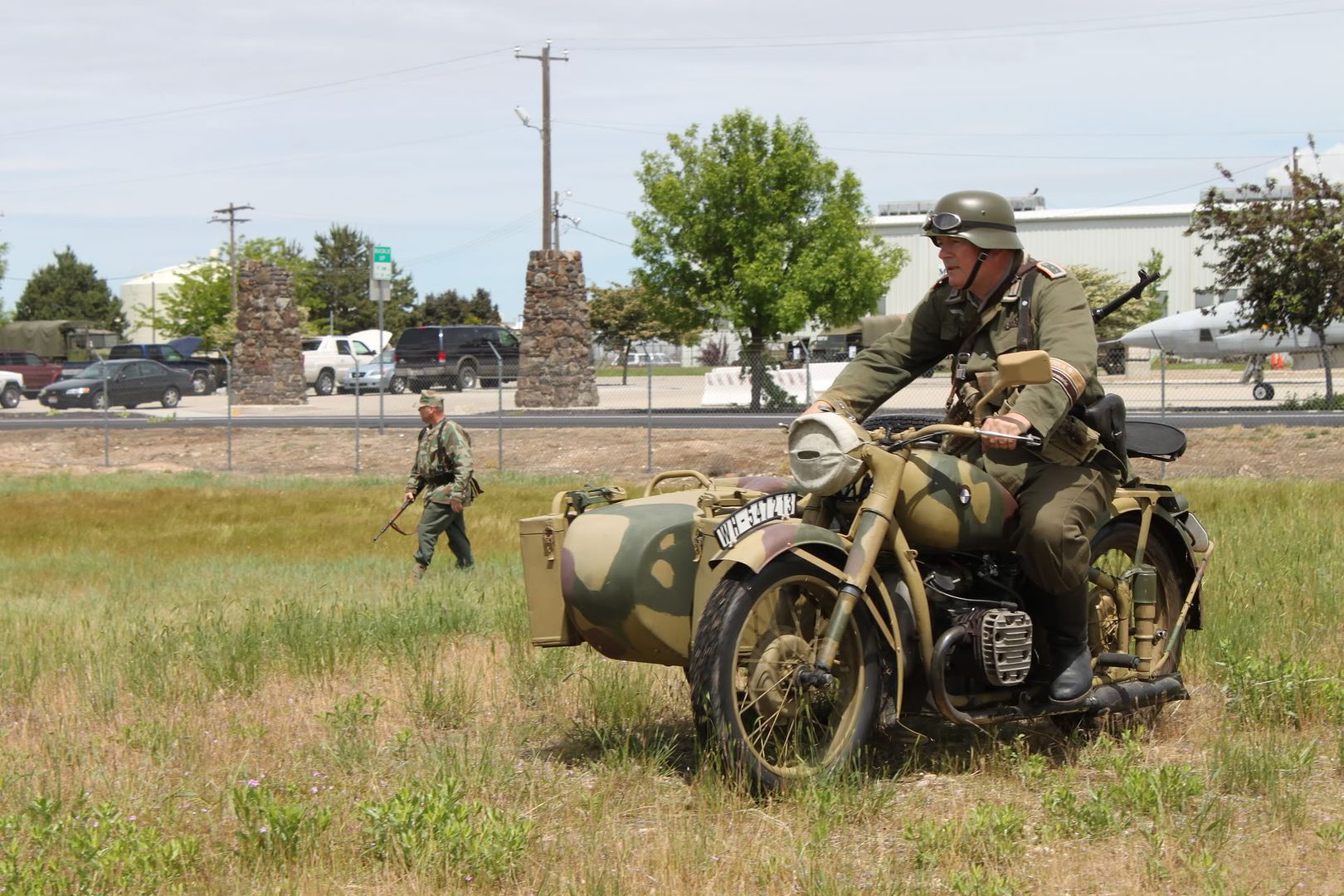
It's a BMW! This reminds me of Indiana Jones and the Last Crusade.

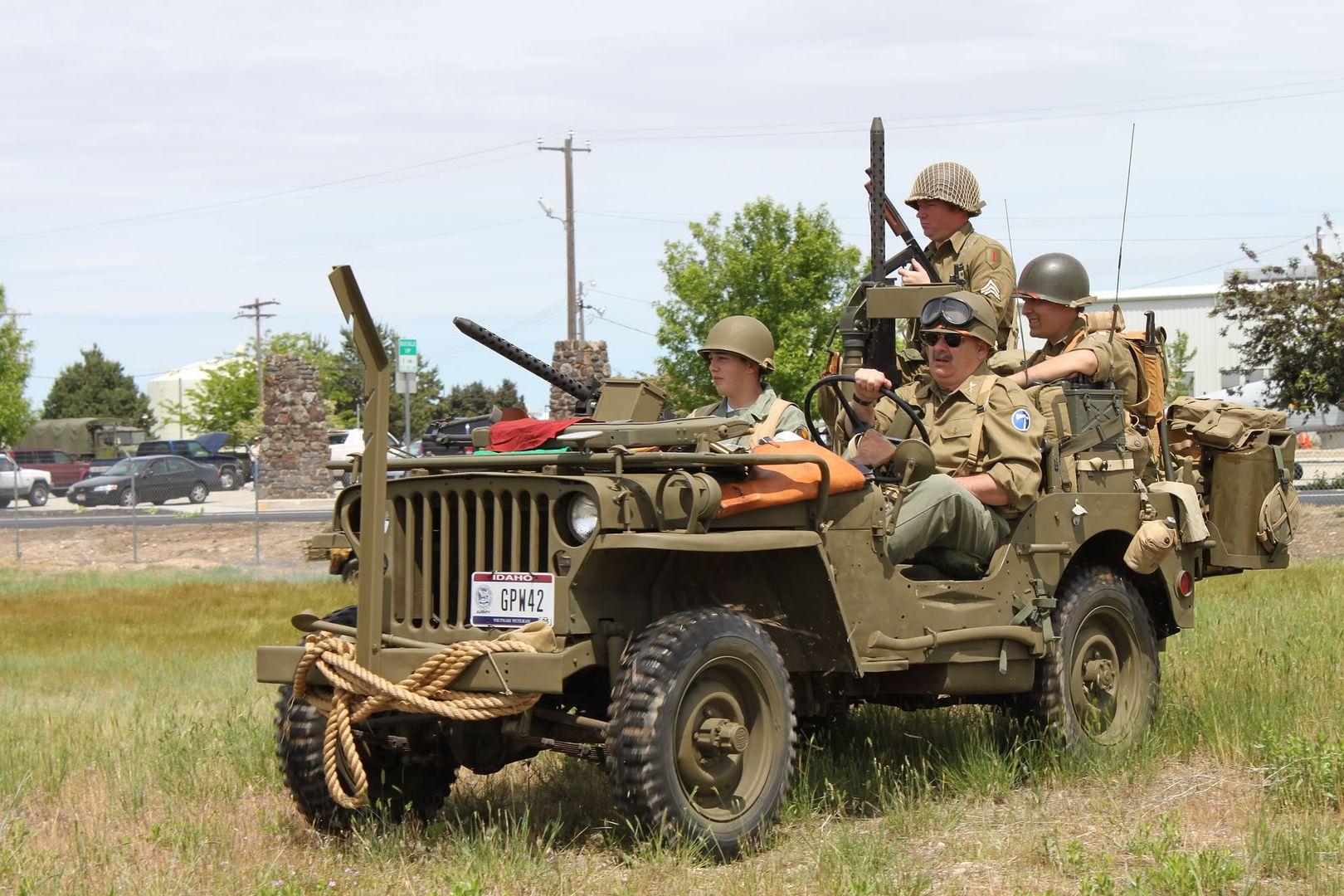
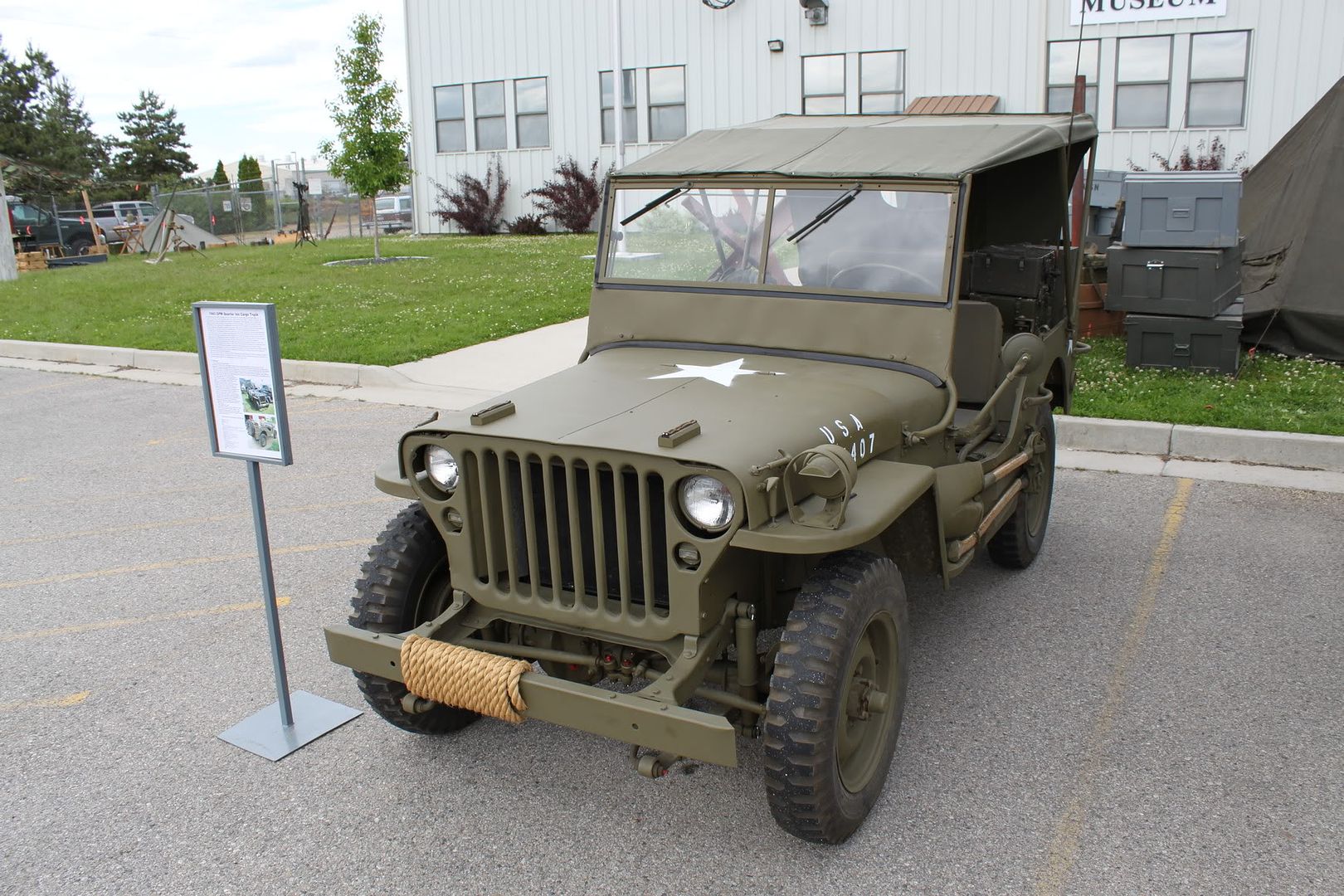
This really makes me want to get to work restoring my Jeep, which is 1943, like this one.

The German 75mm anti-tank gun fires at Allied troops.

Allied troops fire back, and destroy the gun.

The main gun down, Allied forces advance on the "German" forces taking cover behind these fortifications.

Allied soldiers flank the German position, and bring out shotguns for close-quarters combat.

Pistols are also good for close-quarters.

Take no prisoners! I mean, totally take prisoners. They might... know stuff. (They did the re-enactment twice that day, and after the second one the Allies shot all their prisoners just for fun.)

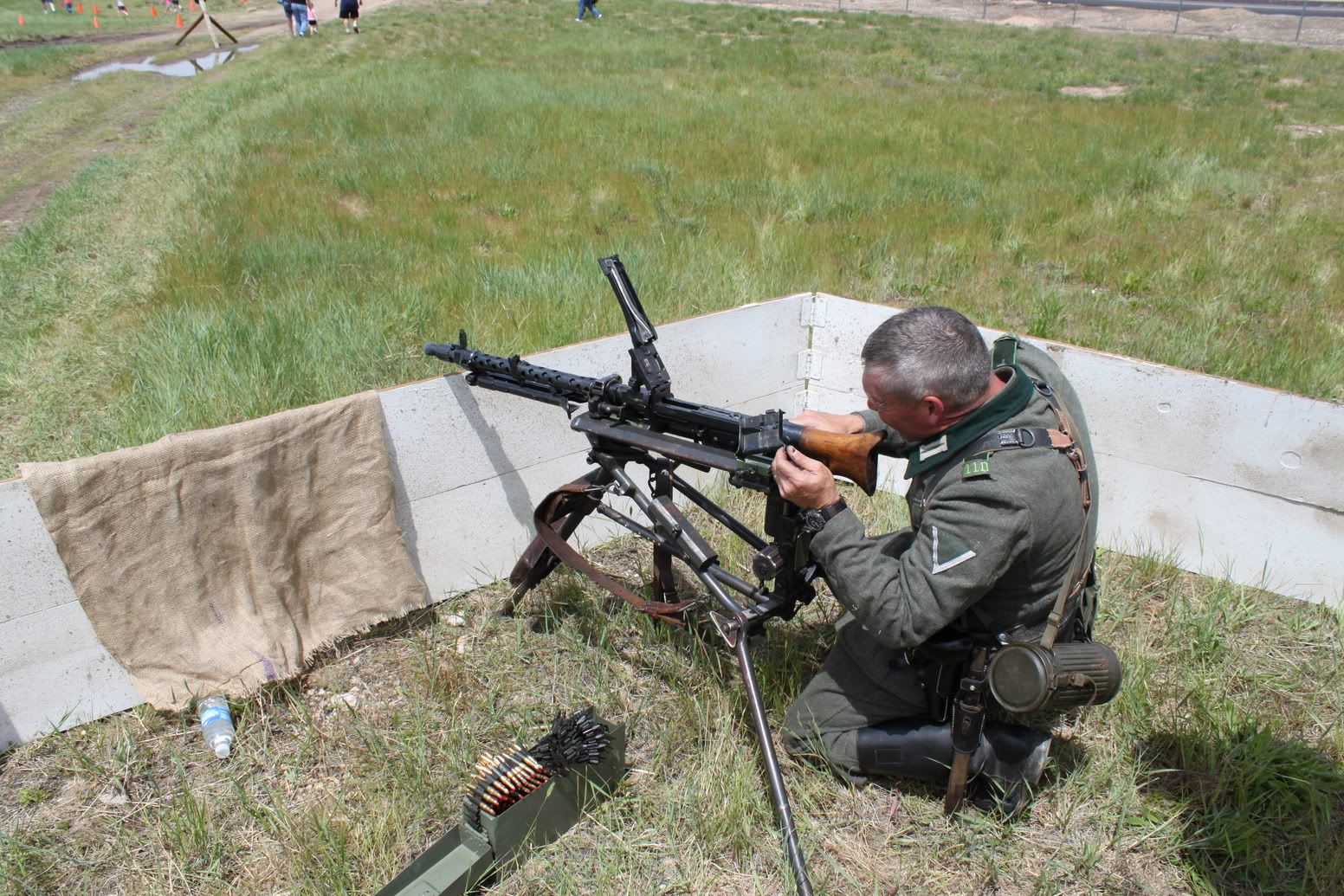
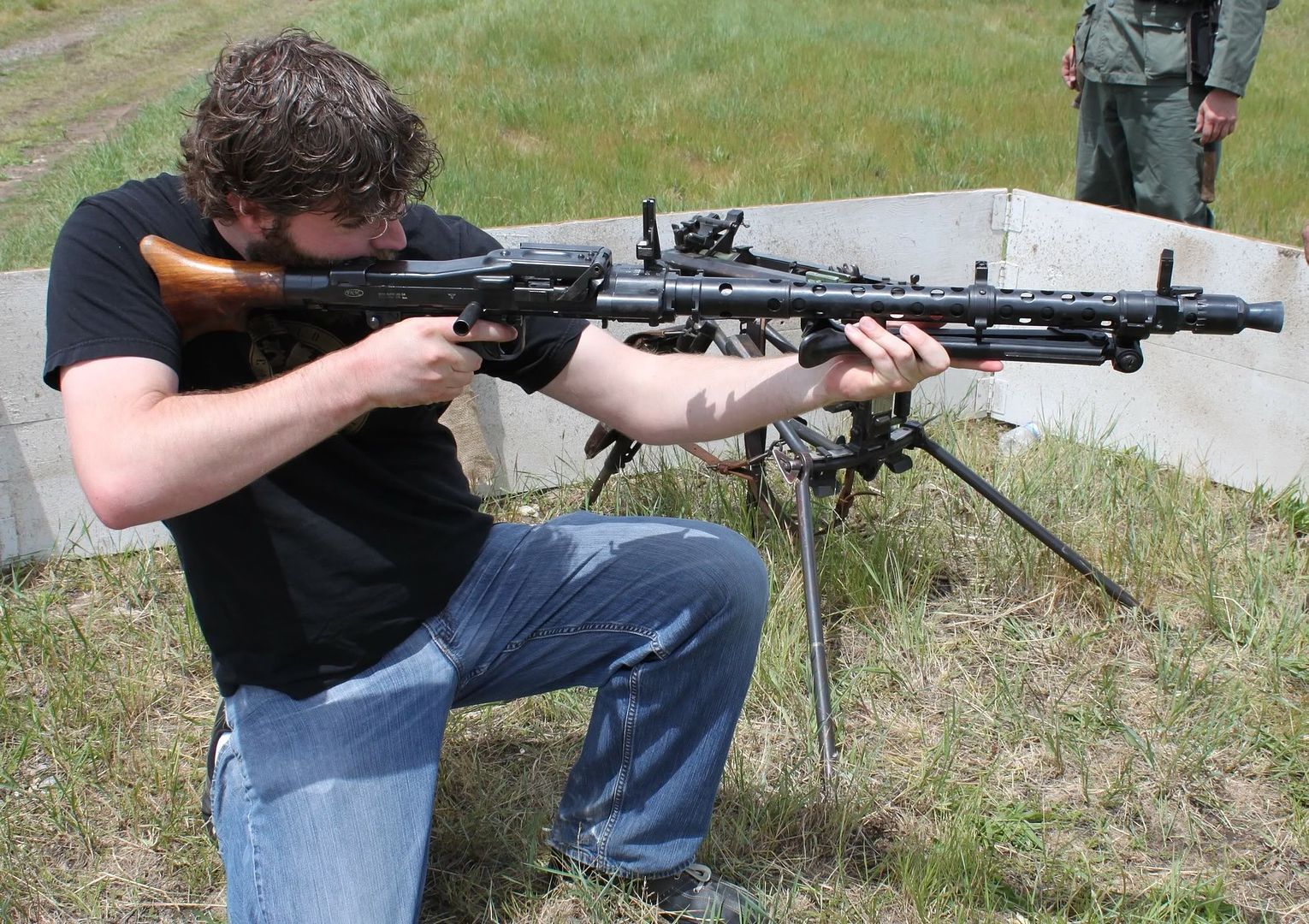
This guy is cleaning and maintaining the German MG34 machine gun, the predecessor to my favorite machine gun, the MG42. These are very finely machined, making them not the most reliable in the field. The MG42 was almost the same gun, but much less precisely machined, making them less likely to jam in the heat of battle.

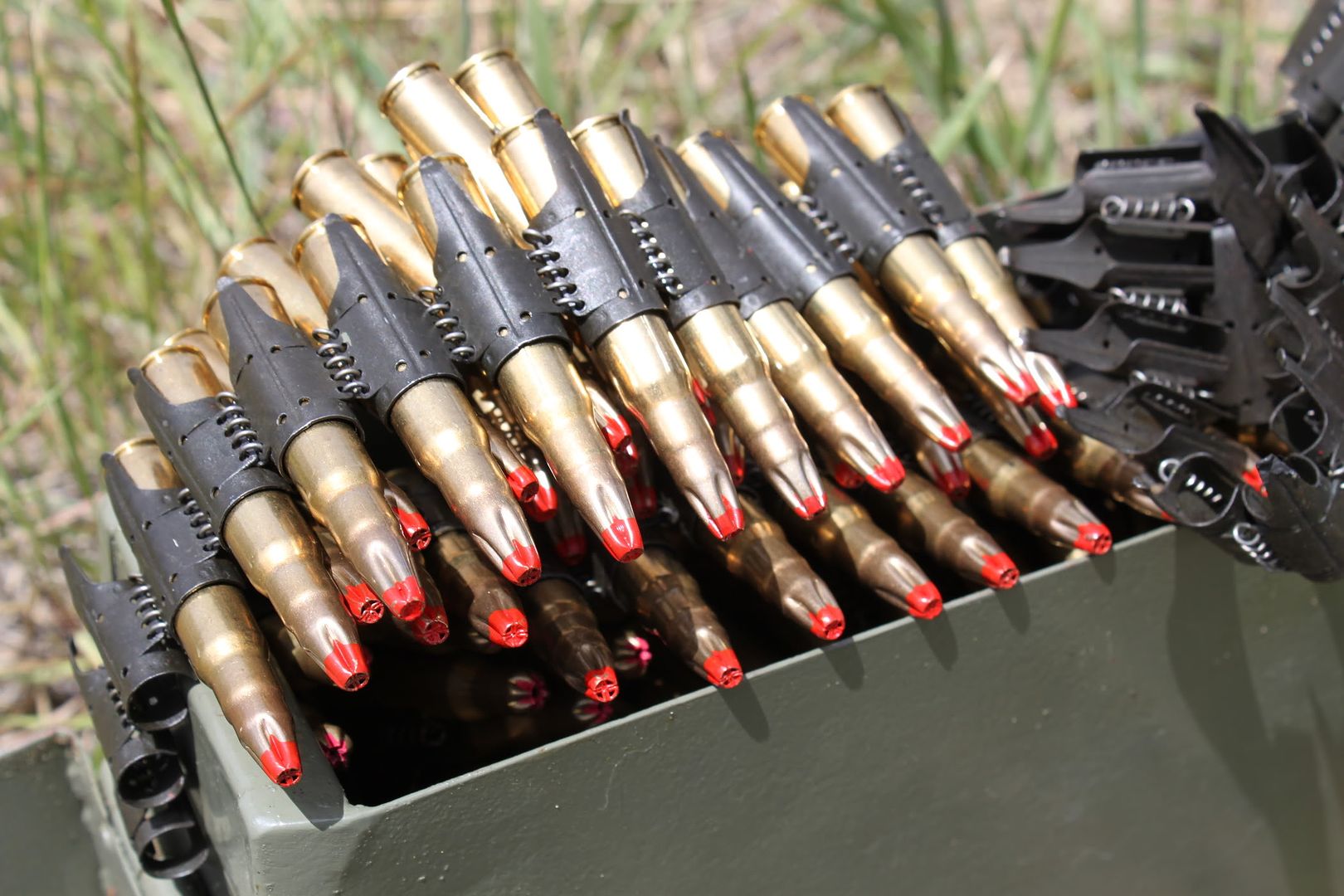
They were firing blanks, of course.

Yeah, I totally got to heft the MG34! Sadly, I didn't get to fire it.

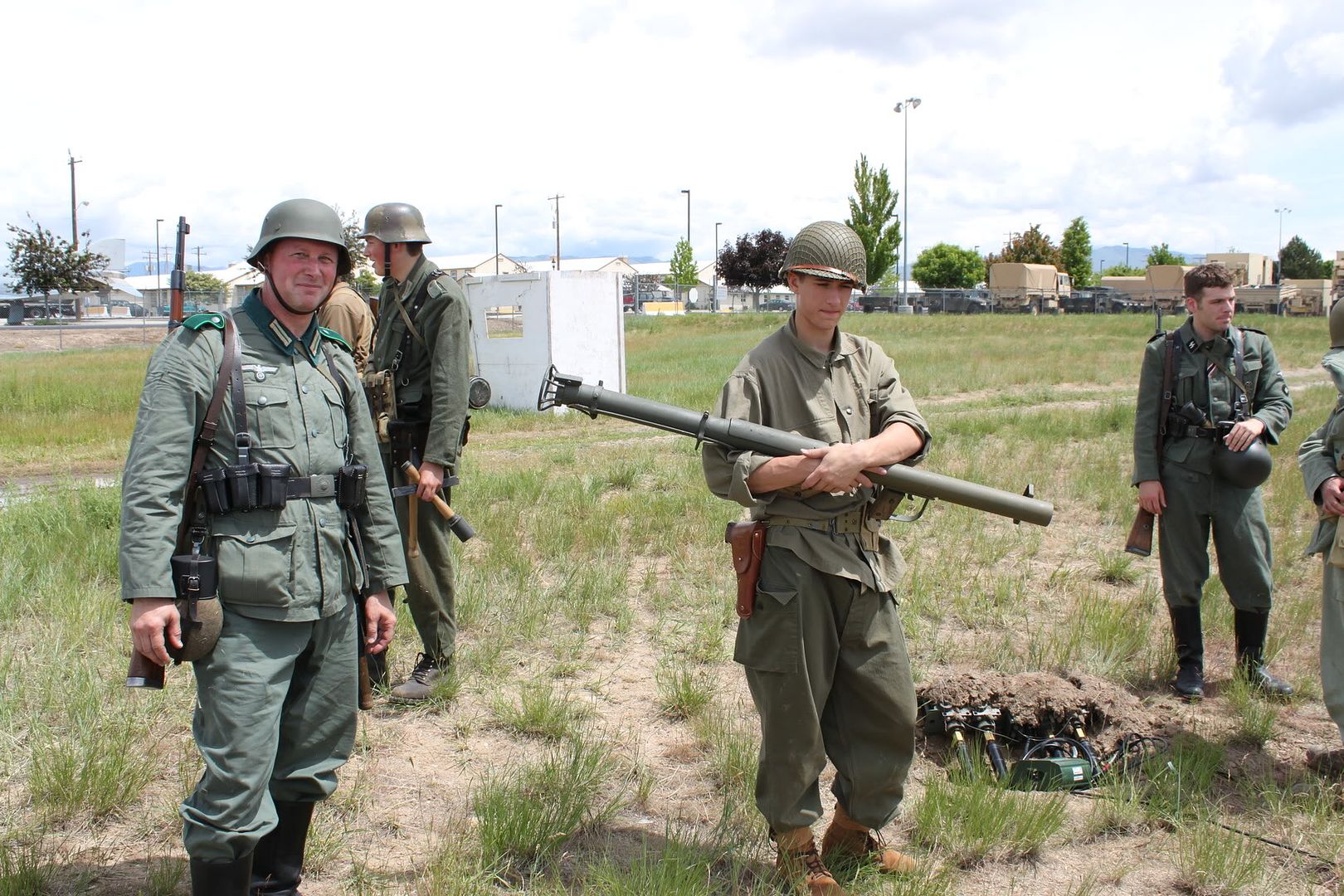
The soldier/actors after the battle, posing for a photo.

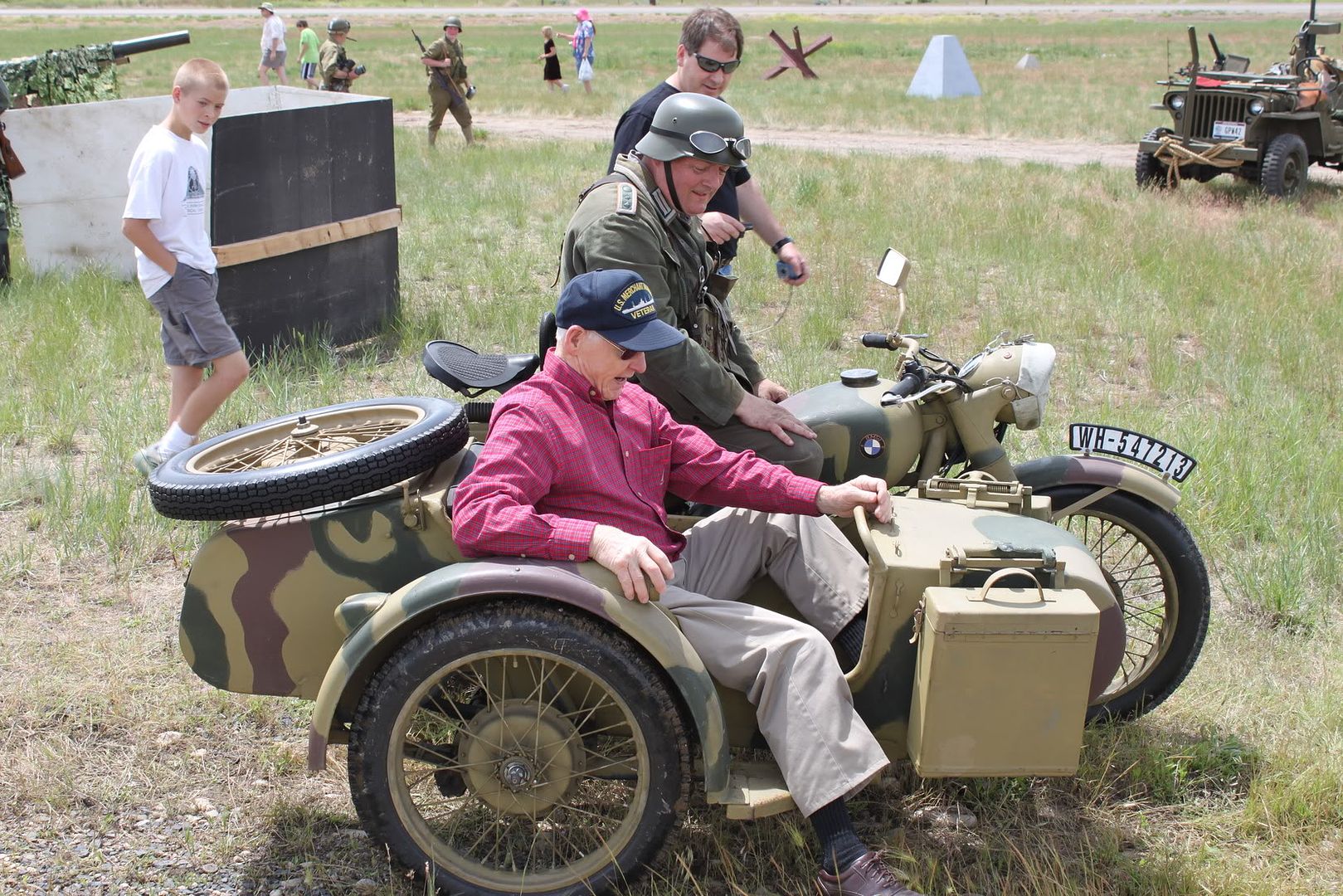
They gave rides in the BMW. I didn't go on one, but couldn't resist this photo. They really made this guy's day!

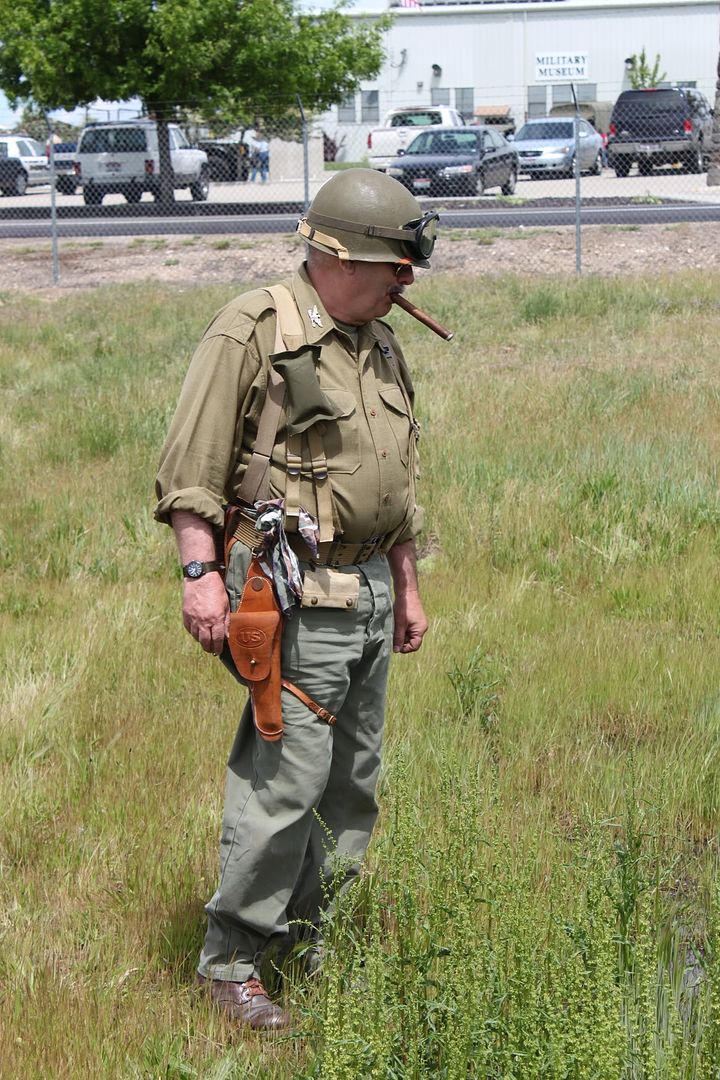
It's the fat cigar that really makes this photo.

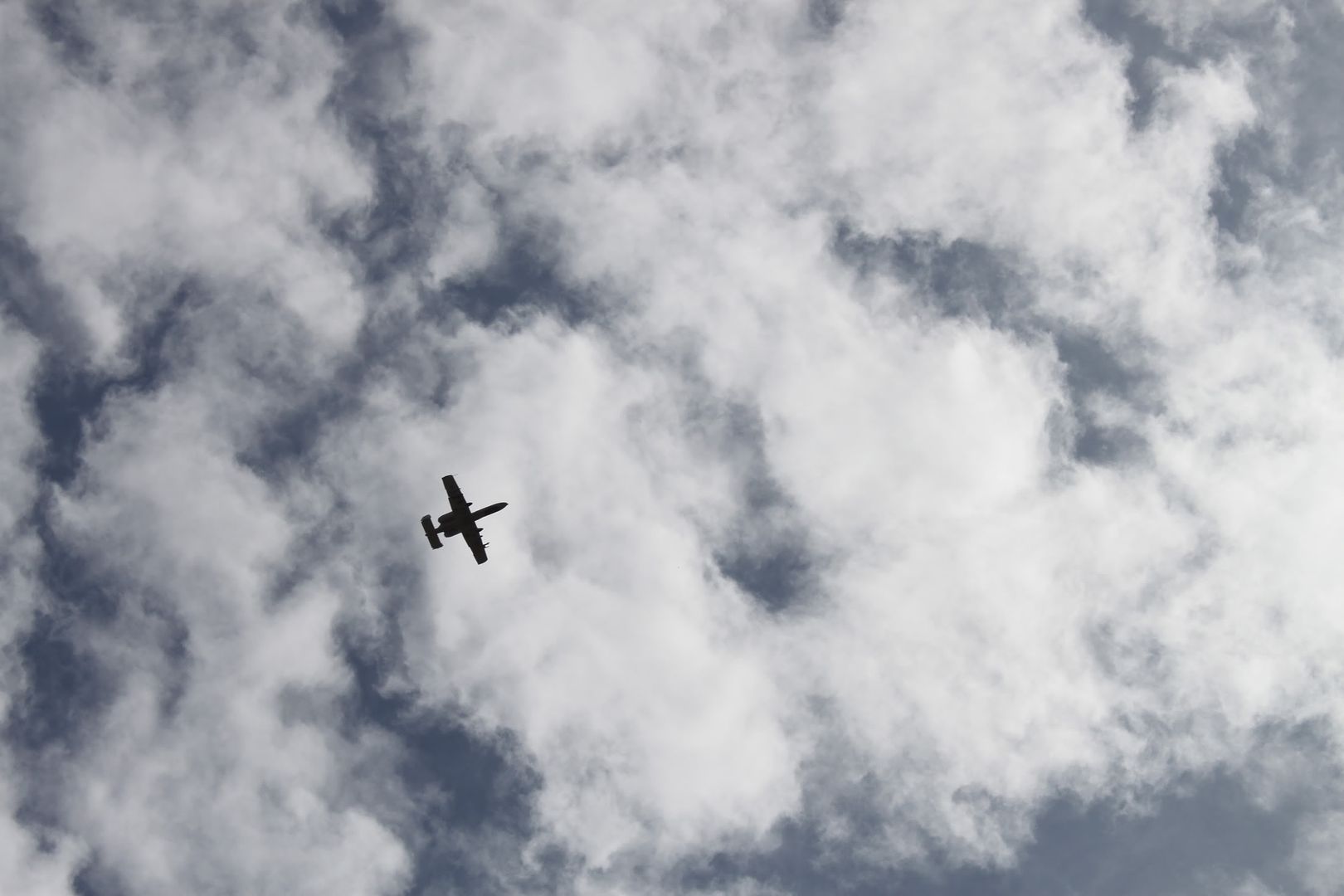
During the second reenactment, there was a flyover by authentic WWII era A-10 "Warthogs".*

There were quite a few old vehicles at the museum, but of course the 1943 Jeep is my favorite.


*Haha, had you going. "Warthogs" aren't from WWII; they're quite modern, and the flyover was unrelated to the reenactment.

Sunday, December 7, 2008

Remember Pearl Harbor

"Those who cannot learn from history are doomed to repeat it." - George Santayana, The Life of Reason.

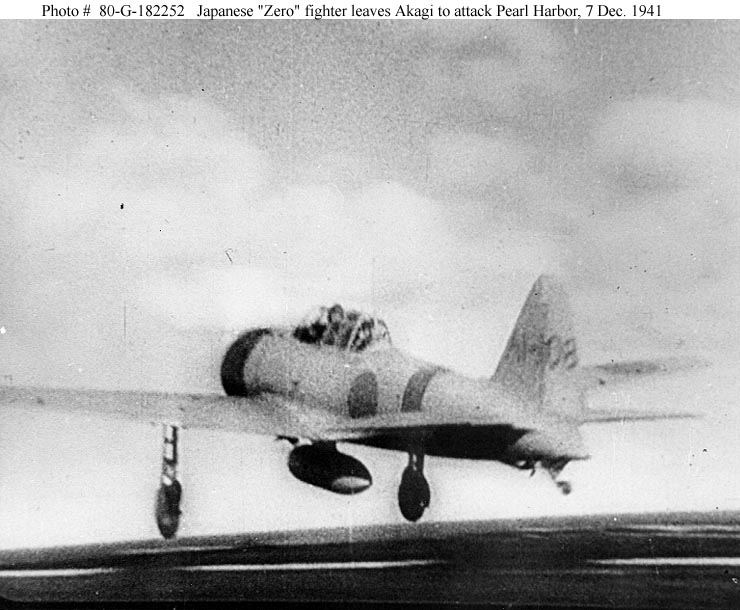
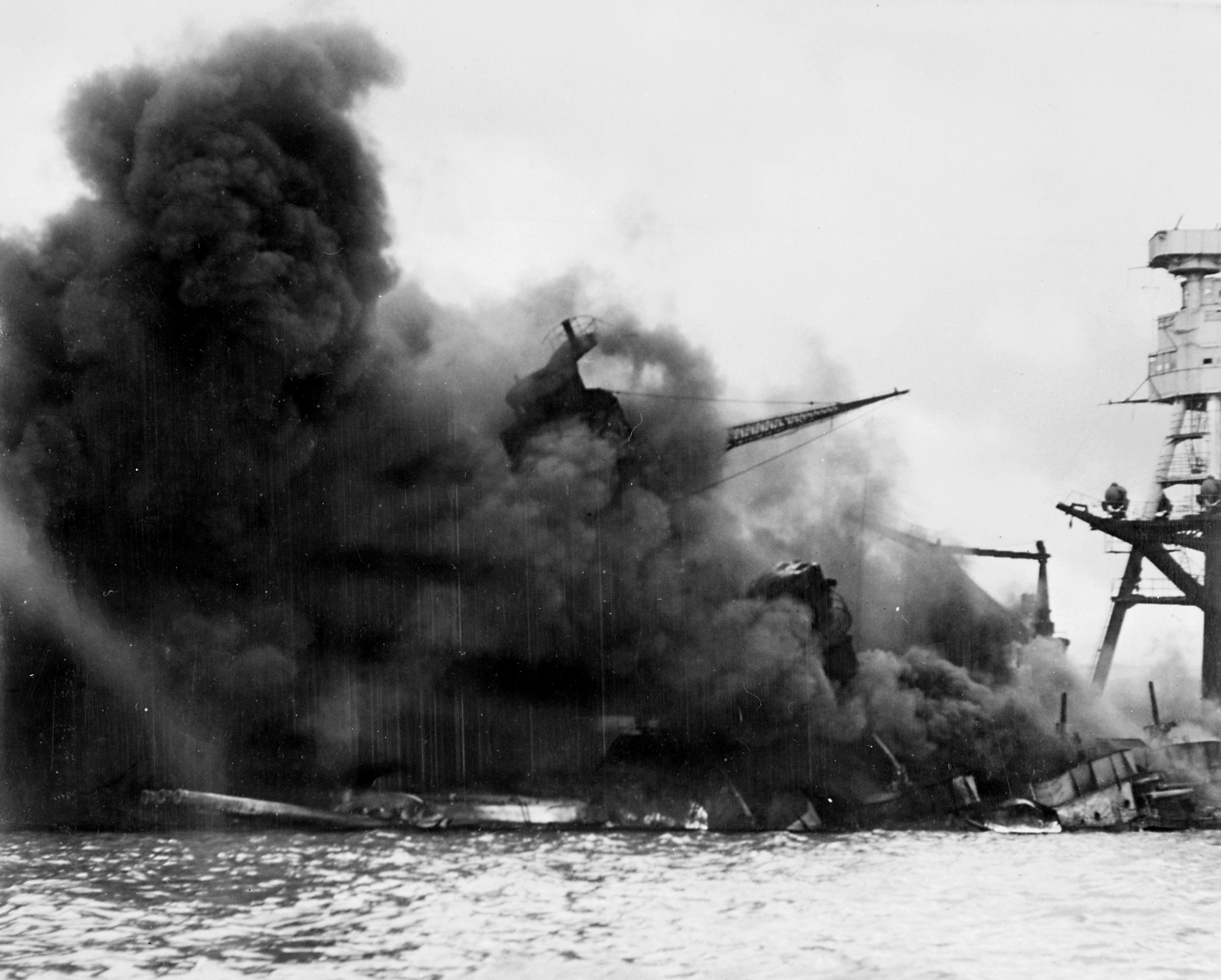
67 years ago today, on December 7th, 1941, the United States was attacked by terrorists. It was a surprise attack on Sunday morning at Pearl Harbor in Hawaii, and the a total of 2,402 Americans were killed, 57 of them civilians. We lost 5 battleships, 2 destroyers, and 188 planes, while only sinking 5 Japanese midget submarines and shooting down only 29 Japanese planes. The goal of the Empire of Japan was to take us out of World War II before we had joined it, so that we would not interfere with Japan's conquest of China and nearby islands. Fortunately, while it was a clear and decisive tactical victory for Imperial Japan, it was a bad move in the long run, as it awakened the "Sleeping Giant" of the United States and led to the ultimate downfall of the Japanese Empire. We've since rebuilt their country (as well as all of Europe, for a fraction of the cost of this so-called "bailout" of the auto industry, but that's another story), and Japan is no longer a threat.

Have we learned from history? Kind of. We were attacked again quite recently. Apparently it only takes 60 years to forget history. The attack on the World Trade Center on September 11, 2001 caused more casualties than Pearl Harbor, but they were all civilian. Both attacks were preventable had we been more aware and prepared for an attack. Even worse, in both cases conspiracy theories sprouted that the President knew of the attack in advance and did nothing so that there would be an excuse to join the global conflict without instigating the war. At least after Pearl Harbor, none that I knew of said the President planned the attack.

Fortunately in both cases the United States has given the appropriate response, and "stayed the course" even as public opinion, temporarily united against a common enemy, turns to opposition to the war (yes, there were protesters during WWII, too). After Pearl Harbor as well as after 9/11, the enemy expected no counter-attack. Both times the ultimate result was a complete destruction of the enemy's ability to wage war. The Japanese war machine was completely dismantled, and at least 90% of Al-Qaeda's military force has been destroyed, though you won't hear that in the mainstream news. In fact, we've won thoroughly enough in Iraq that Bush has time to safely withdraw troops before January 20th, when our country officially falls into the hands of Socialists. There will always be terrorists, but regimes have been toppled.

Fortunately, then and now, we've had the right leader in place at the right time. As disappointing as Bush has been these past couple years, at least on the most crucial issue he has led brilliantly, as did most of our leaders during World War II. It helped to have a victory six months later at Midway Island.

The events at Pearl Harbor have been made into many books and movies, but unfortunately the best-known one today, though named "Pearl Harbor," is probably the worst of them all. I can't definitively say that, since I haven't seen many, but it is extremely bad, and has almost no historical merit. Don't watch it, ever, because it sucks. Roger Ebert said (paraphrasing) that it was a movie about a Japanese surprise attack on an American love triangle. That's the best summary. It's the only movie ever where I've felt ripped-off enough to want my money back from the theater, but on principle I never ask for that since I sat through the whole thing.

Afterward I went home and popped in a much better Pearl Harbor movie: Tora! Tora! Tora! This movie pays much better attention to historical accuracy, and is probably the best retelling available. I highly recommend it.

Also, here is the text of Franklin Roosevelt's speech to Congress after the attack, and here are some pictures:


Sunday, November 2, 2008

Hwacha on Mythbusters

As I worked on rewriting some stuff for my Stratigraphy/Sedimentology class and ate dinner, I flipped to MythBusters and saw this awesome test of an ancient Korean rocket-launcher called a Hwacha:


Wasn't that super cool? Okay, don't forget I did a quick post on the election, and now get back to whatever it was you were doing.

Wednesday, August 6, 2008

Peace through Superior Firepower

Today marks the 63rd anniversary of the bombing of Hiroshima, Japan in World War II. Before I go on, I don't want anyone reading this to think I'm cheering the deaths of Japanese soldiers and civilians, rather I'm celebrating the positive consequences of the only two nuclear bombs ever to be used in a war; specifically the consequence of securing an unconditional surrender from the Emperor of Japan, resulting in millions of innocent lives being saved.
Wait, one of the most horrible bombings in history saved lives? What if we'd just laid down our arms, isn't it U.S. aggression that causes all the trouble in the world? I mean, if we would just leave the rest of the world alone, they'd leave us alone! There must have been a diplomatic alternative.

Diplomacy only works if you have might on your side. Might doesn't make right, as some people say, but if you are on the side of right, you have the responsibility to do all in your power to see that right prevails. If we had decided not to drop nuclear bombs, would the Japanese or Germans have had any such scruples to keep them from nuking the U.S.? Now that we've won, we know that neither power was as close to developing the bomb as we had thought, but they were working on it, and it was in their interest to make us believe they were close. Both Germany and Japan were bent on conquering the world, and the unprovoked attack on Pearl Harbor was intended to keep the U.S. out of the way, since we would eventually have been compelled to join the war at some point anyway.

Weren't the Japanese ready to surrender before we nuked them, though? Well, yes, but any surrender other than unconditional surrender is unacceptable. Had we accepted surrender conditions favorable to Japan, it would only have been a matter of time before they gathered their strength and renewed their military campaign, and all the while innocent civilians would have continued to die in China. Aside from that, the Japanese government was not unified in discussing surrender, with most officials hoping the war would last until the U.S. was forced to invade Japan on the ground, and that they could inflict enough casualties to come to a settlement favorable to Japan. Germany and Japan are no longer threats to the world because we and our allies completely destroyed their ability to wage war on the world. Now our relations with these two countries are no worse than our relations with, say, france (the ungrateful nation whose butts we saved. Sarkozy understands, at least.) or Spain. Japan and Germany are the nations they are today because we completely broke them, then helped them to rebuild. No other nation in the world does that*.

But just like Afghanistan and Iraq, they were only protesting American Imperialist Capitalism! America tortures people and kills innocent civilians! Well, in war, civilians die. If you refuse to accept civilian casualties, you will lose the war, and the world is a better place because Hitler and Hirohito were not on the winning side. It is actually an amazing thing, maybe miraculous, that we do win wars while doing all we can to avoid unnecessary civilian deaths. Guess who was going after civilian deaths deliberately? The Holocaust was bad enough, but Japanese atrocities in China were even worse. The two atomic bombs we dropped did kill thousands of civilians, but they saved millions of lives over all. As horrible as the bomb was, it was the morally right but very difficult decision to use it.

The bushido warrior code was deeply ingrained into the Japanese soldiers, who were trained to die rather than surrender. Most Japanese soldiers preferred to take their own life rather than be taken prisoner. Additionally, the Japanese were engaged in total war, with all civilians, women and children alike, participating in the war effort in some way, and they were determined to fight to the end no matter the cost.
"The entire public, in effect, became subject to call-up under the Volunteer Enlistment Law, which applied to all men ages 15 to 60 and all women ages 17 to 40.... What this sea of civilians lacked besides training were arms and even uniforms. A mobilized high-school girl, Yukiko Kasai, found herself issued an awl and told: 'Even killing just one American soldier will do. You must prepare to use the awls for self-defense. You must aim at the enemy's abdomen.' Many civilians found themselves drilling with sharpened staves or spears. Japan lacked the cloth to put those civilians into uniforms -- one senior general spoke of his hope to provide them with patches on their civilian clothes. This lack of distinguishing identification would undoubtedly have made it impossible at normal combat range for a soldier or Marine to identify which civilians represented the Japanese armed forces and which did not, a sure prescription for vast numbers of deaths. At least one Fifth Air Force intelligence officer took the Japanese at their publicly broadcast word of total mobilization and declared in a July 21 report, 'The entire population of Japan is a proper Military Target...THERE ARE NO CIVILIANS IN JAPAN."
(Richard B. Frank; Downfall: The End of the Imperial Japanese Empire)

The Japanese planned to fight a major battle on the mainland, prepared to suffer tremendous losses under the premise that American morale couldn't stand up to such heavy losses (a similar strategy to the guerilla tactics employed by terrorists in Iraq, hoping that mounting losses will prompt us to pull out of the war). Dropping the bombs, with the promise of more to come, prevented this, saving tens of thousands of American lives and millions of Japanese lives. Estimates run from 400,000 to 800,000 American deaths, and five to ten million Japanese deaths from a mainland invasion, compared to an upper estimate of 200,000 killed between the two atomic bombs. The Japanese also threatened to kill all POWs if the mainland were invaded.

That's just in Japan; as I mentioned before, the Japanese military was committing atrocities in China that out Hitlered Hitler. There were of course the Bataan and Sandakan Death Marches, which resulted in over 10,000 deaths, but that is nothing compared to what was done to civilians. The Japanese routinely murdered Chinese civilians, including women and children (if you want pictures, they're on the internet and in books, I won't post them here).
"For China alone, depending upon what number one chooses for overall Chinese casualties, in each of the ninety-seven months between July 1937 and August 1945, somewhere between 100,000 and 200,000 persons perished, the vast majority of them noncombatants. For the other Asians alone, the average probably ranged in the tens of thousands per month, but the actual numbers were almost certainly greater in 1945, notably due to the mass death in a famine in Vietnam. Newman concluded that each month that the war continued in 1945 would have produced the deaths of 'upwards of 250,000 people, mostly Asian but some Westerners.' What is clear beyond dispute is that the minimum plausible range for deaths of Asian noncombatants each month in 1945 was over 100,000 and more probably reached or even exceeded 250,000. Any moral assessment of how the Pacific war did or could have ended must consider the fate of these Asian noncombatants and the POWs."
(Richard B. Frank; Downfall: The End of the Imperial Japanese Empire)

Of course, the personal reason I have for being glad of these bombs is that had we invaded the mainland, possibly the entire Marine Corps. including my grandfather would have been lost. Japan forced the end of the war to play out as it did, with their total war tactics, and it is good that we had a president with the courage to make such a difficult decision. The revisionist historians say the bombs were immoral and unnecessary; I disagree. I do, however, think it's good that none since has ever been used aggressively.

Incidentally, August 6th is also International Friendship Day.

*For a hilarious story related to this fact, read "The Mouse that Roared." It's short, and very good.